Planetarium Theater of
The Buhl Planetarium and Institute
of Popular Science
The Theater of the Stars
This Internet Web Page: <
https://buhlplanetarium3.tripod.com/BuhlZeissII.htm >
Internet Web Cover Page: <
http://www.planetarium.cc >
Electronic Mail: <
ZeissII@planetarium.cc >
Twitter Page:
SpaceWatchtower ***
Facebook Page:
SpaceWatchtower
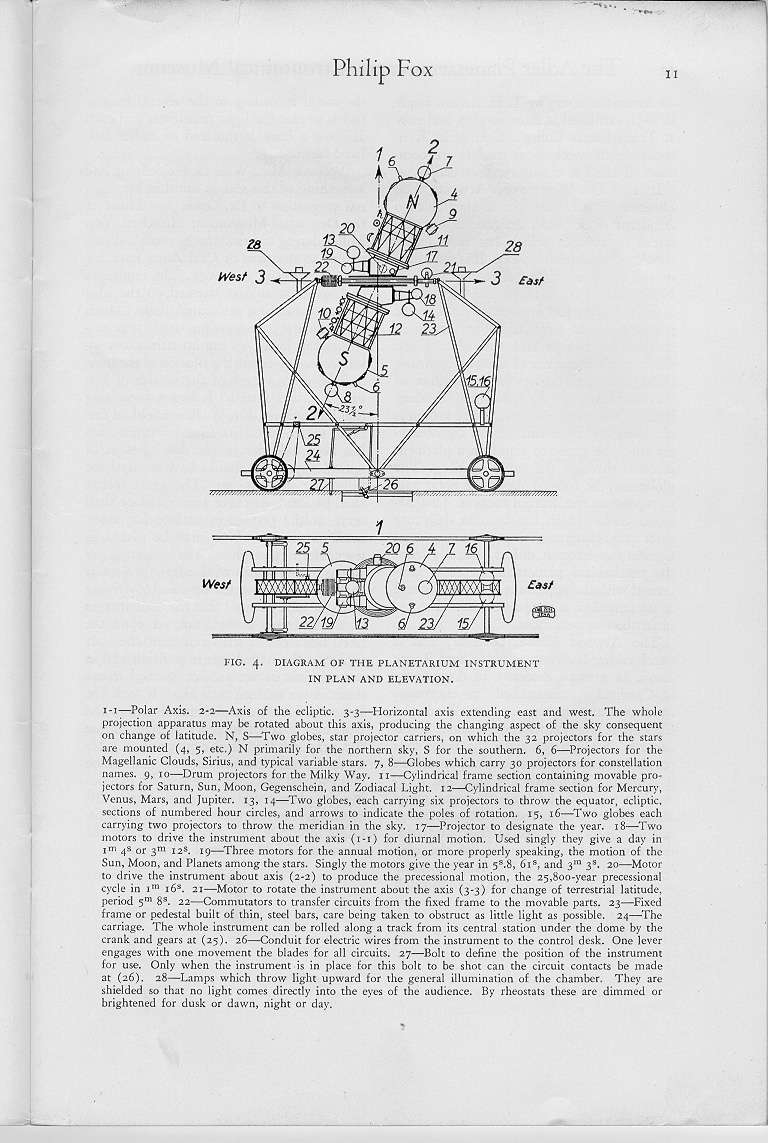
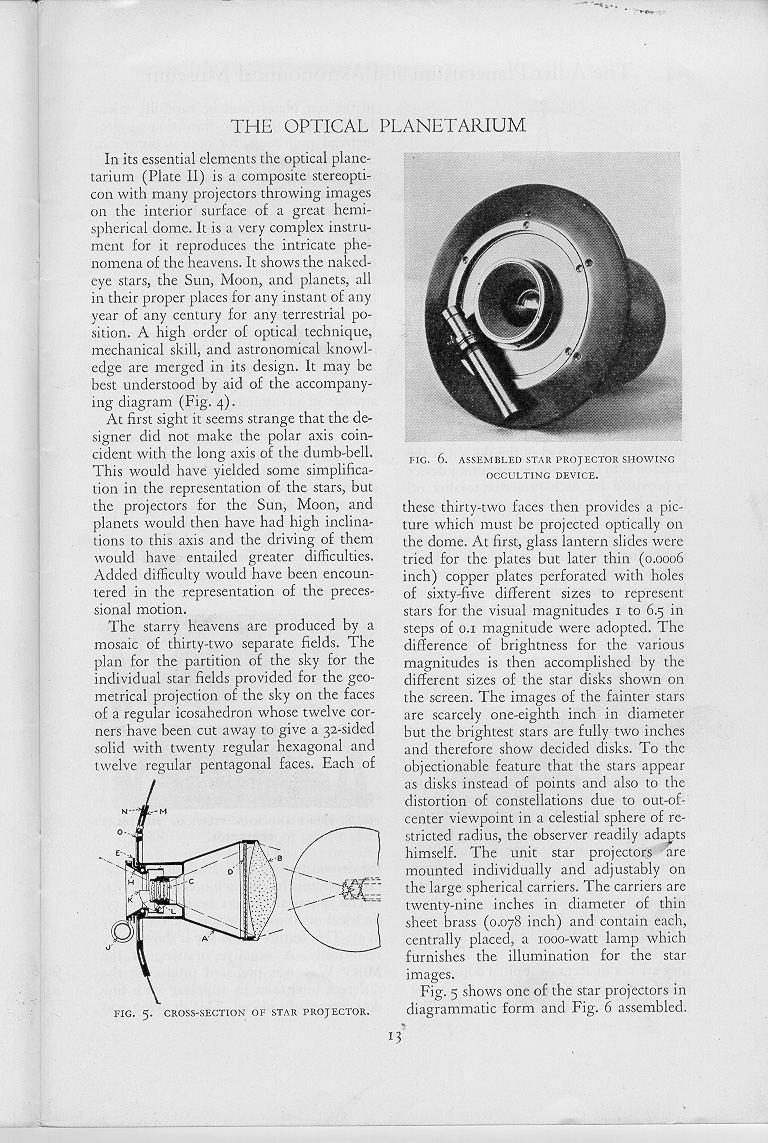
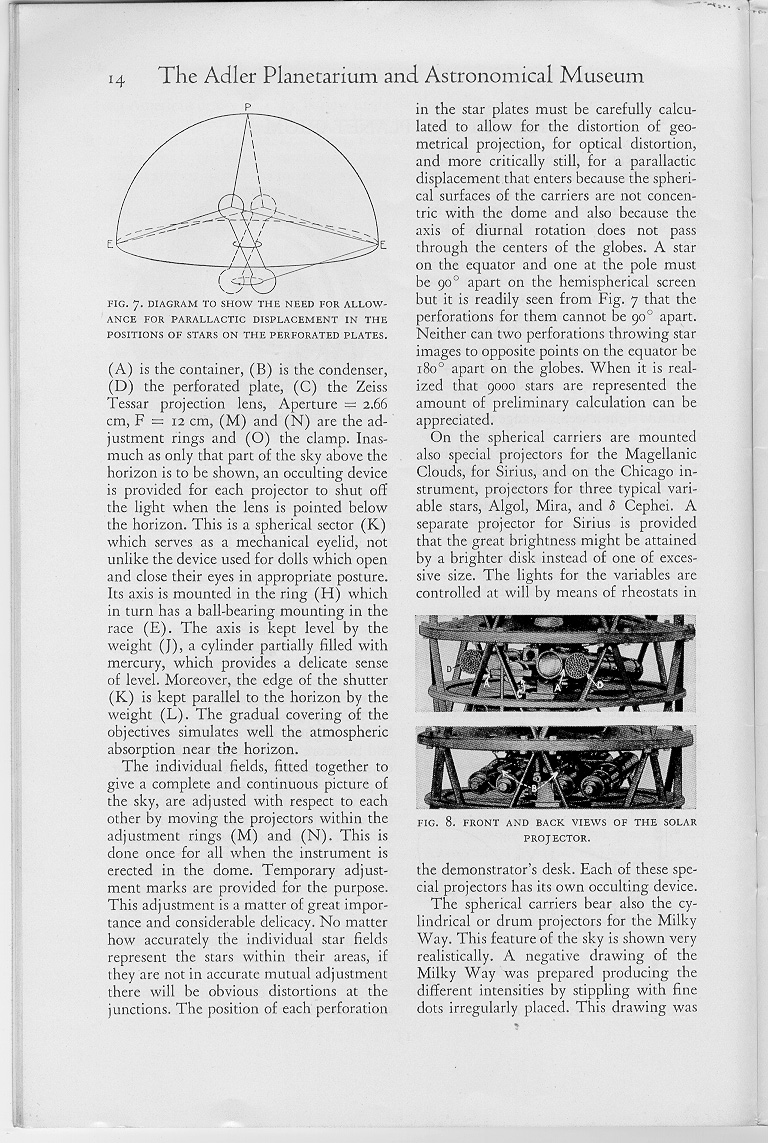
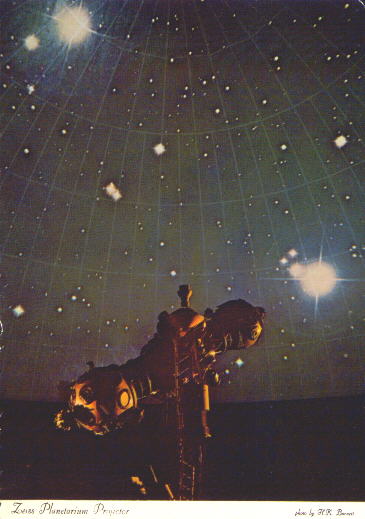
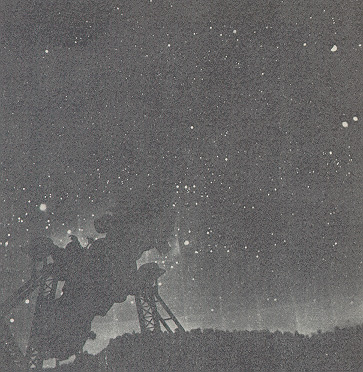
Buhl Planetarium's Zeiss II projector gives a wonderfully
accurate and realistic depiction of the night sky.
Now, exhibit-only
display at The Carnegie Science Center
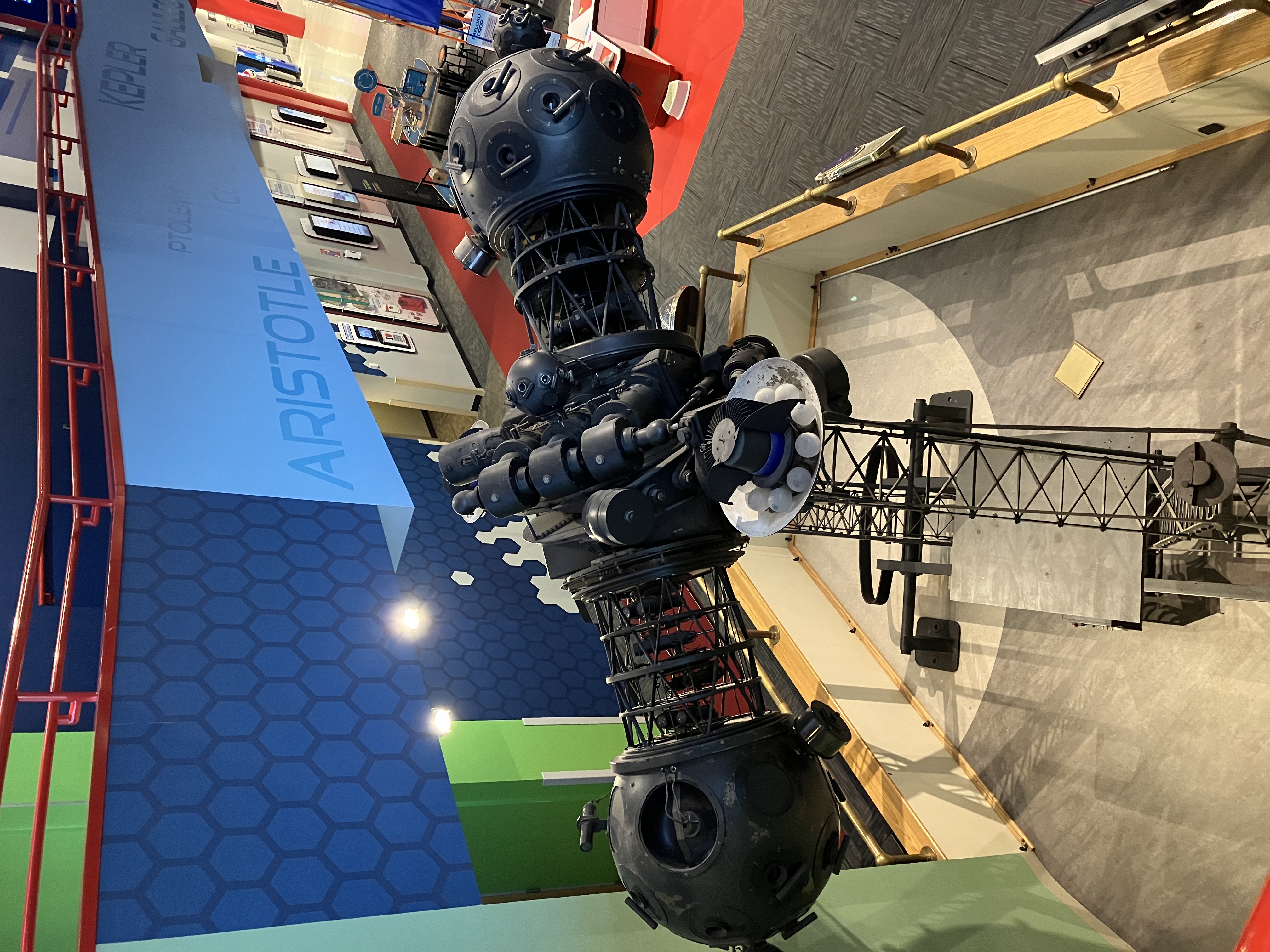
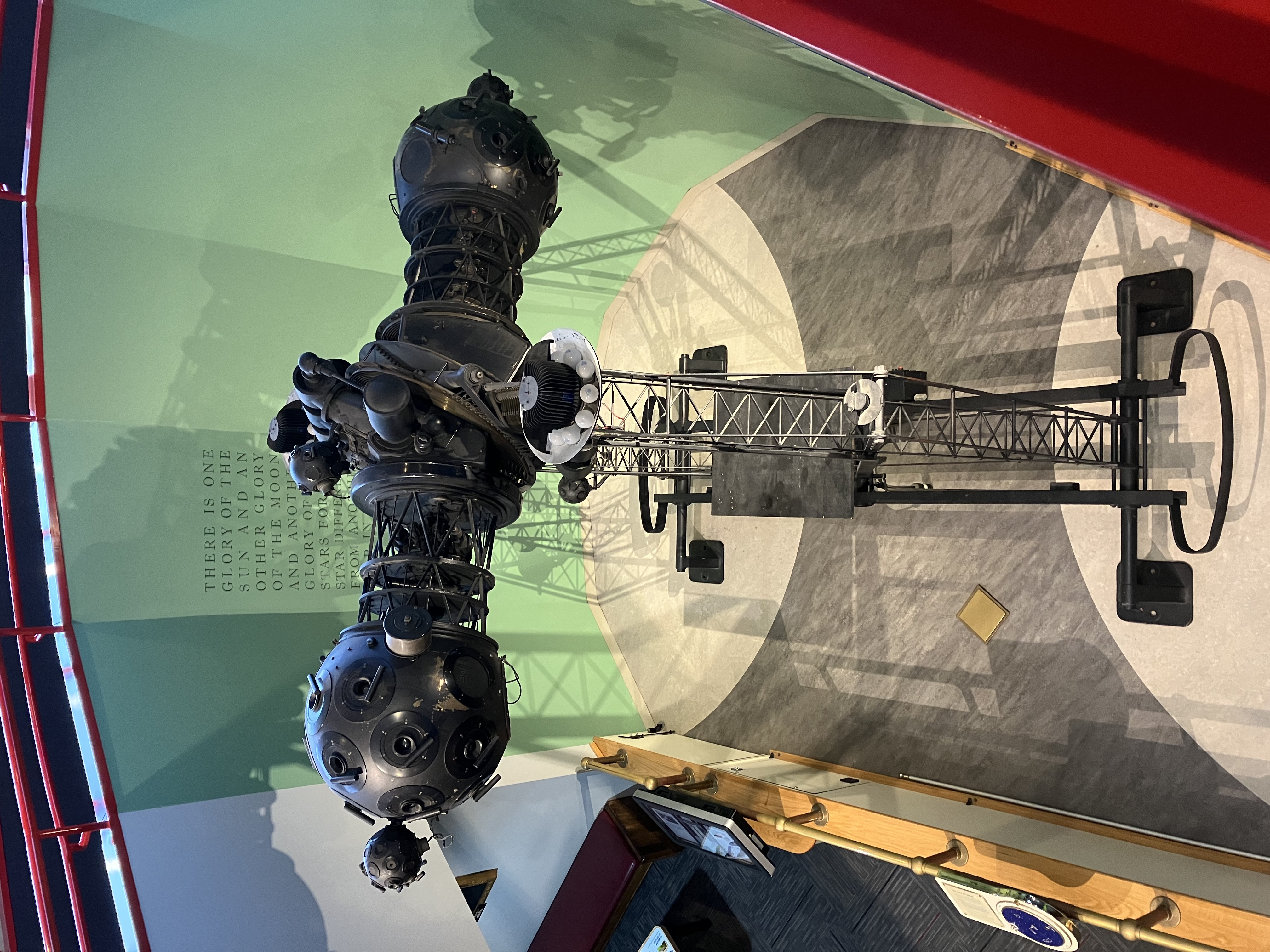
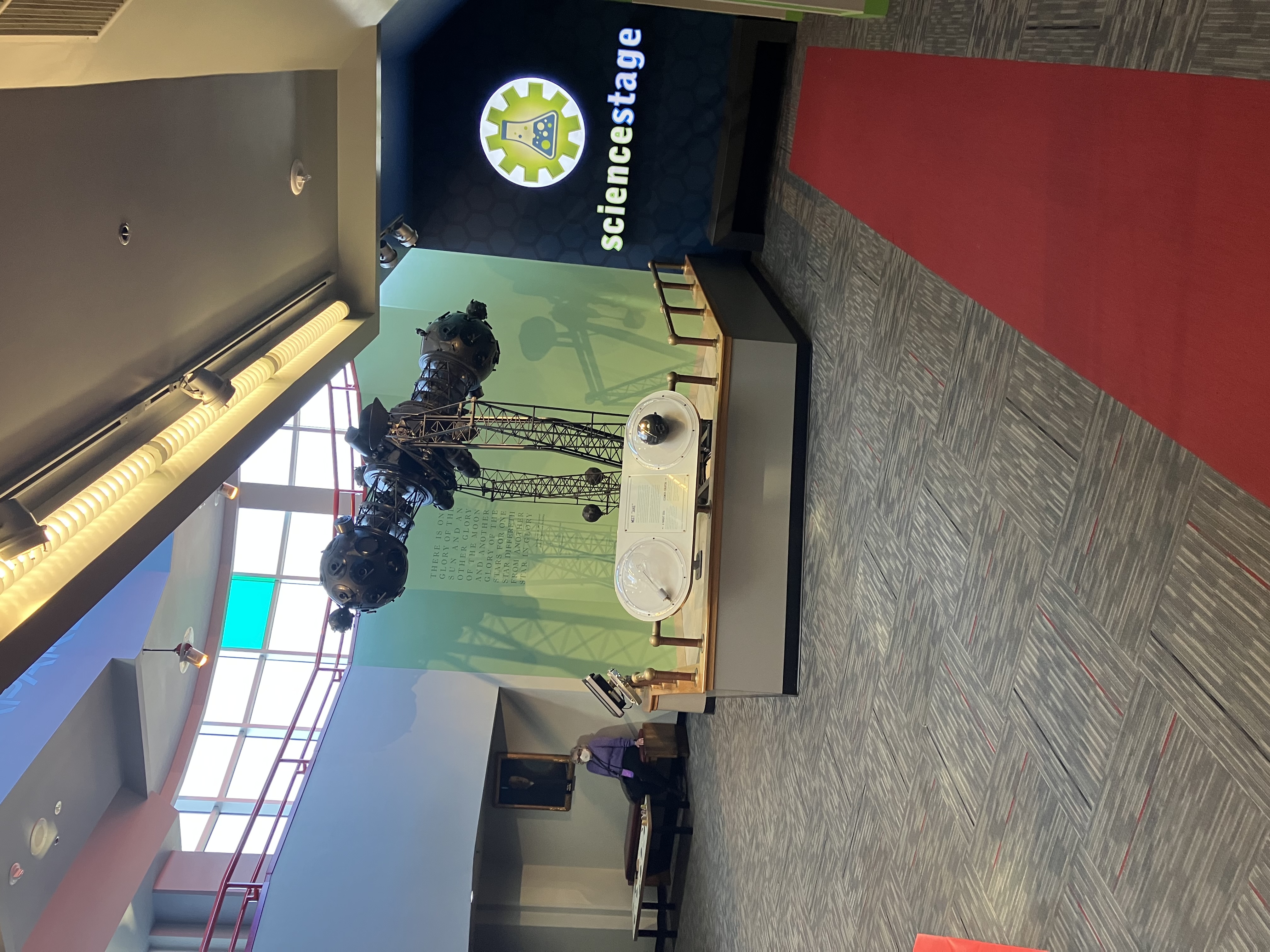
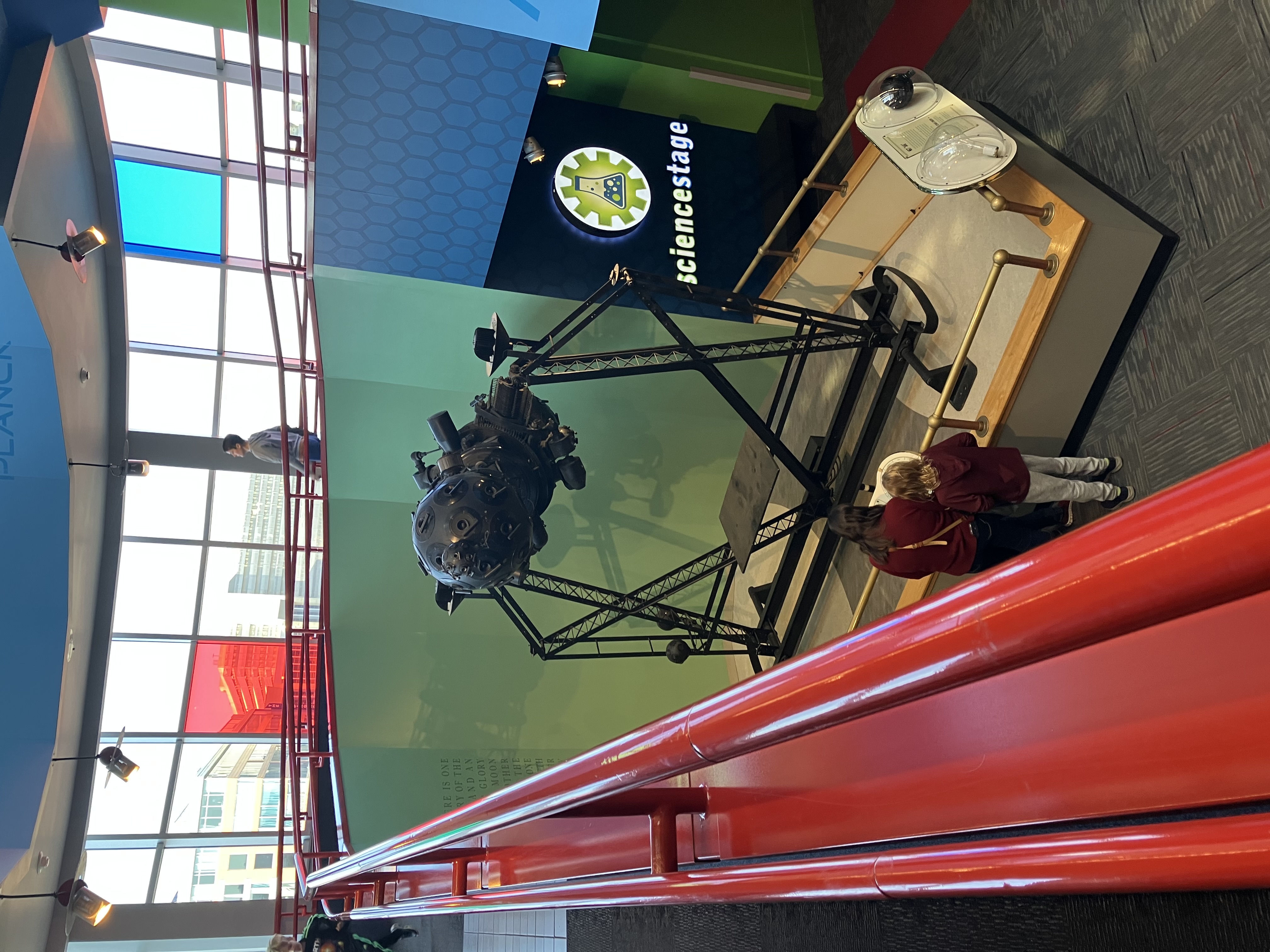
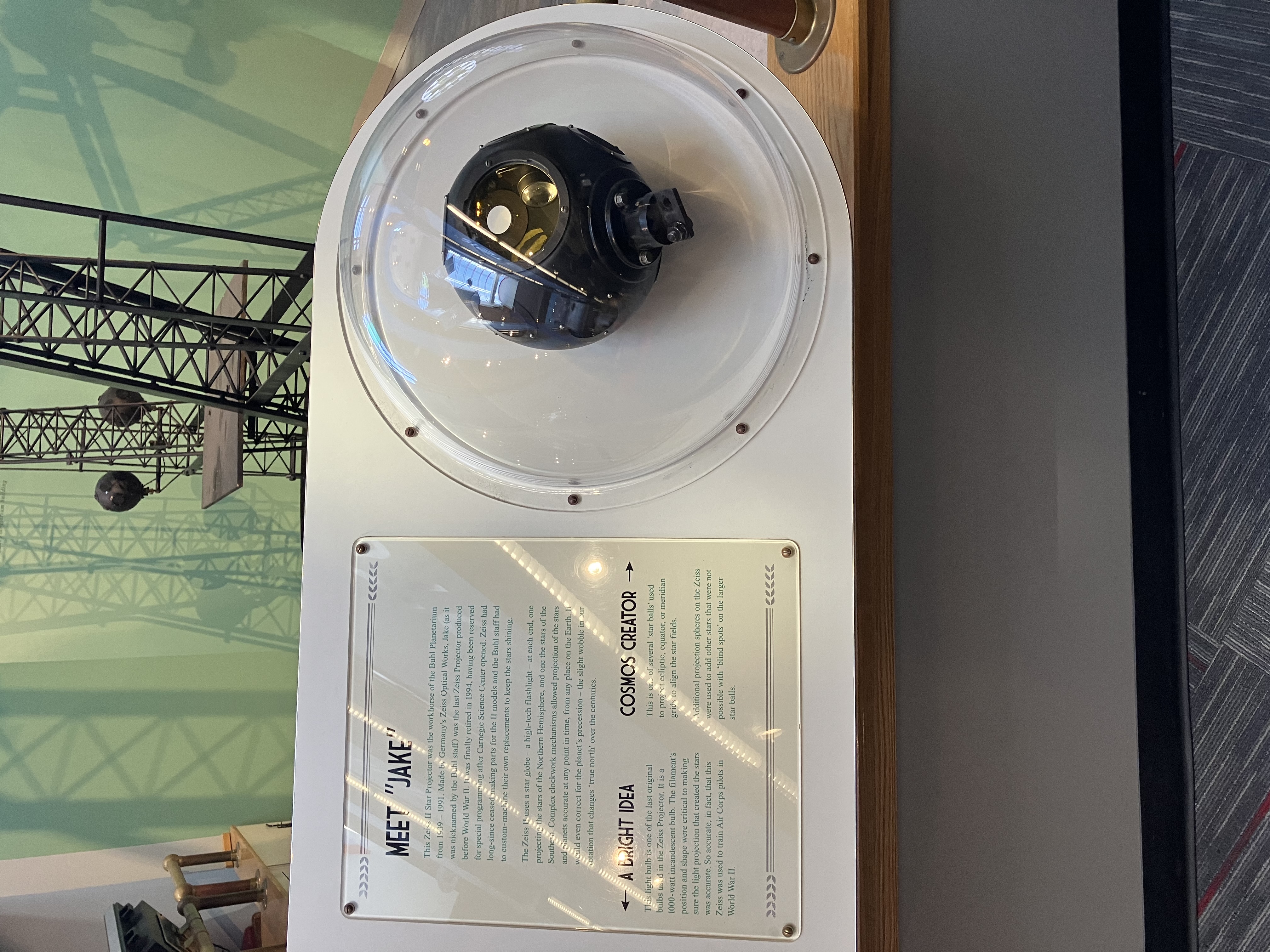
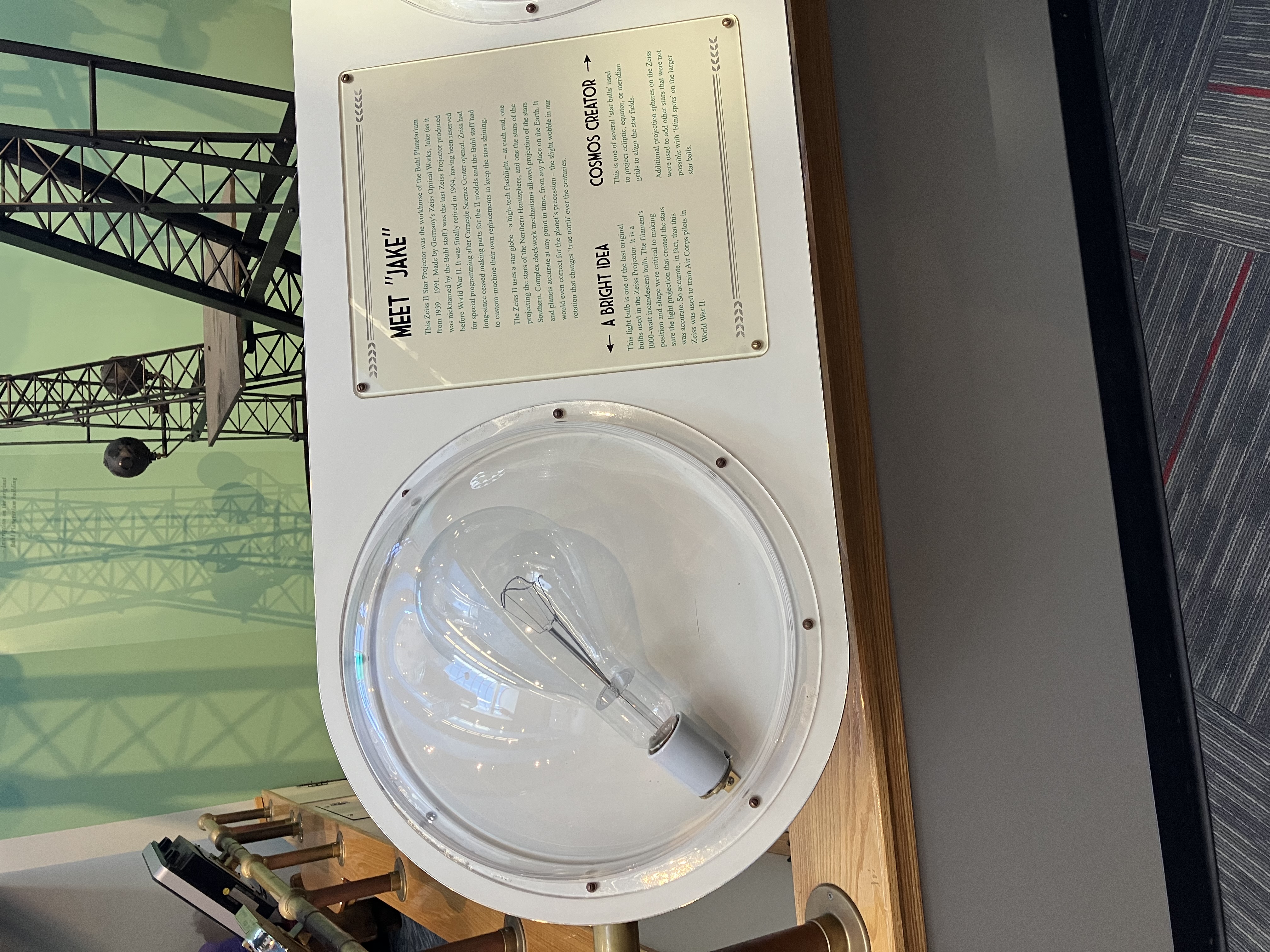
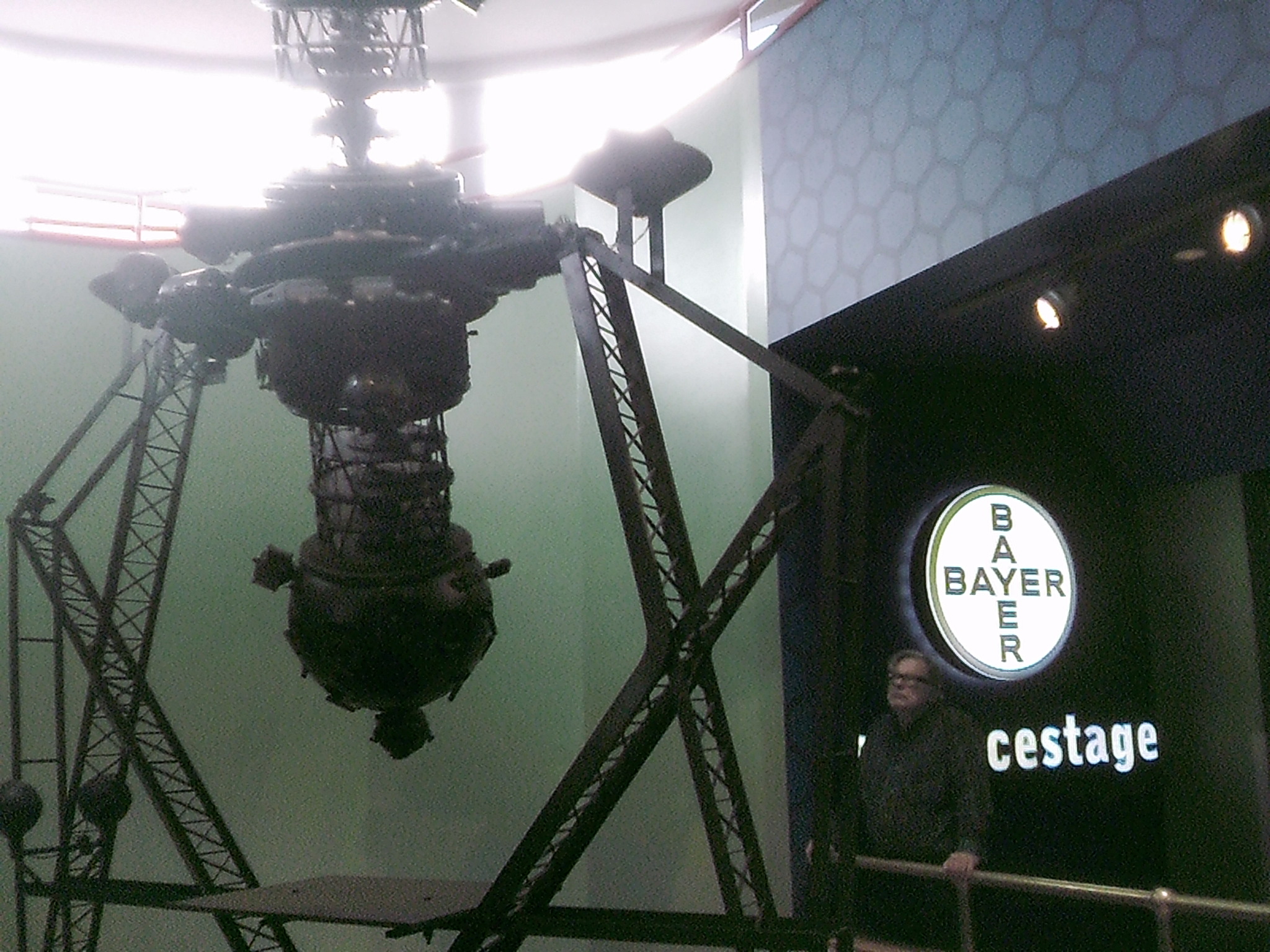
Photographs (2022 Nov.) of Static Display of Zeiss II Planetarium Projector, First-Floor Atrium Gallery, The Carnegie Science Center
(Originally Utilized at the original Buhl Planetarium and Institute of Popular Science / Buhl Science Center -
Property of the City of Pittsburgh)
Link 1 ***
Link 2 ***
Link 3 ***
Link 4
Planetarium Star Ball ***
Planetarium Light Bulb ***
Portrait of Henry Buhl, Jr. ***
Photos of Original Buhl Planetarium Exhibit Gallery Bench
More Zeiss II Planetarium Projector Photographs
YouTube Video Short (5:49): Buhl Planetarium Director Arthur L. Draper & Zeiss II Planetarium Projector
YouTube video interview with long-time (1940 to 1967) Buhl Planetarium Director Arthur L. Draper regarding the Zeiss II Planetarium Projector (with view of projector rising from the projector pit): program "Magic Carpet" produced by Ray Stewart for WIIC-TV 11 (now known as WPXI-TV), Pittsburgh, on 1961 May 28.
YouTube Video Short (5:31) from 1961: Buhl Planetarium Sound Room
YouTube Video interview with Buhl Planetarium official Ron Sutherland and showing long-time Buhl Planetarium Technician Roy Hughes - for program "Magic Carpet" produced by Ray Stewart for WIIC-TV 11 (now known as WPXI-TV), Pittsburgh, in 1961.
SOLAR ECLIPSE / ECLIPSE OF THE SUN: TIPS FOR SAFE VIEWING ---
Link 1 ***
Link 2
Internet Web Site Master Index for
the History of
The Buhl Planetarium and Institute of Popular Science,
Pittsburgh
News of Buhl Planetarium
Laserium & Other Laser Shows at Buhl Planetarium
Proposed Expansions & / or Renovations of Buhl Planetarium, Which Never Happened
Mars exhibits and programs at the original Buhl Planetarium / Buhl Science Center,
with planetarium sky shows including the 1988 The Red Planet Mars.
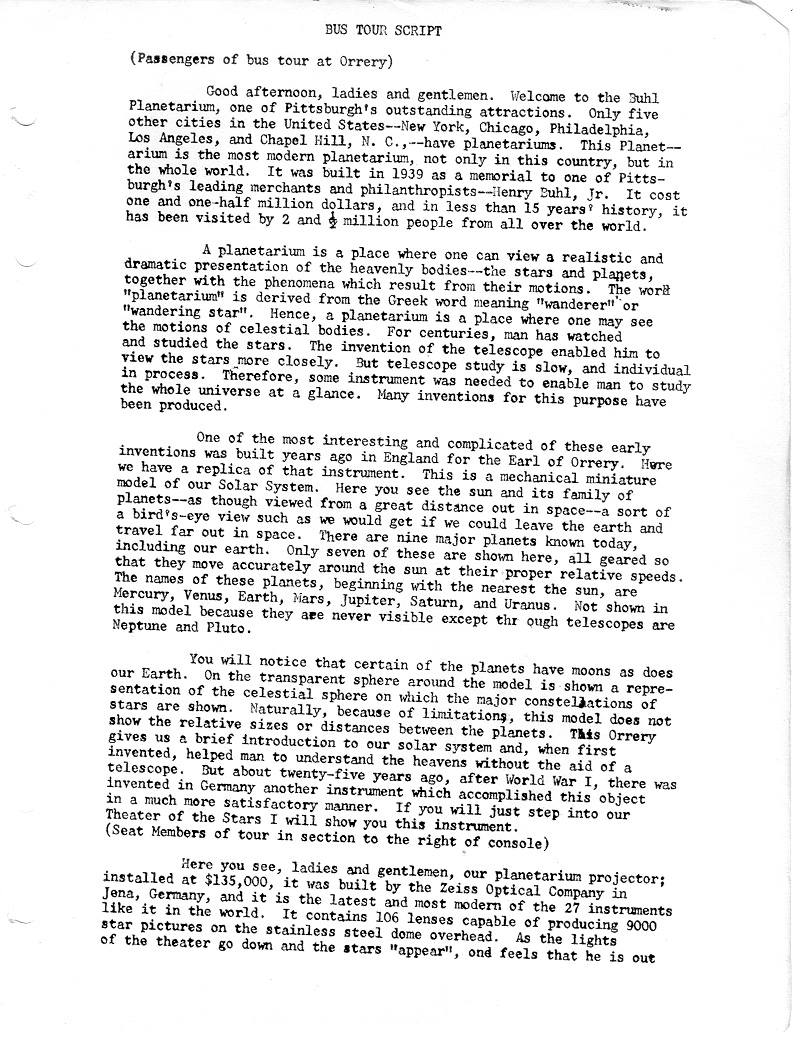
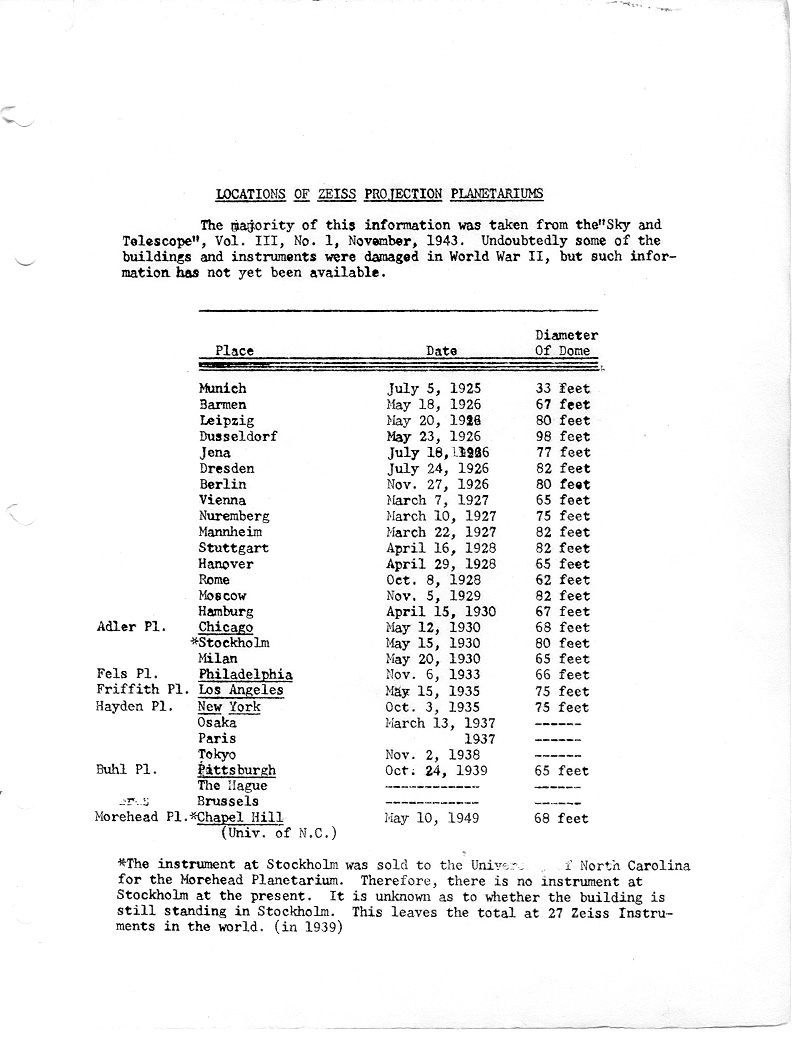
The Buhl Planetarium and Institute of Popular Science opened to the
public
on Tuesday Evening, 1939 October 24. Installed, in the new Theater of the Stars,
was a Zeiss Model II Planetarium Projector, manufactured by Germany's
Zeiss
Optical Works. This was the newest in the series of
star projectors, which had begun providing audiences with excellent
depictions of the night sky in Germany in the mid-to-late 1920s. While
Zeiss projectors throughout the world were replaced, over the years,
Buhl continued using their tried-and-true Zeiss II projector.
With the
1991 construction of the
Henry Buhl, Jr.
Planetarium and Observatory, as
part of The
Carnegie Science
Center on
Pittsburgh's North Shore(of the
Ohio River), it was decided to acquire a Digistar I projector in a
156-seat, one-direction, planetarium theater with a 50-foot diameter
dome; a few years later the Digistar I was replaced with a Digistar II
projector. Buhl's Zeiss II projector continued to be used, for Science
Center
classes, until February of 1994 when it was decided to move all classes
to the main building. The City of Pittsburgh, which owns the Zeiss II
projector, along with the Siderostat-type telescope, Buhl building and
property, continue to seek a new tenant which will utilize the historic
building. With the ability to lower the Zeiss II projector below floor
level, the planetarium theater can be easily used for many other
assemblages.
It is unclear
whether any other Zeiss II projectors still exist or are still operable;
however, the couple which did exist some years ago (one in Rome and one in
Japan) had been extensively modified from
their original manufacture; Buhl's projector has never been modified.
Hence Buhl's Zeiss
II instrument is now the oldest operating, major planetarium projector
in the world!!!
(More info.)
Earlier, Zeiss II projectors had been installed
in the
United States at the Adler Planetarium and Astronomy
Museum in Chicago on
May 12, 1930, Fels Planetarium at the Franklin Institute in Philadelphia
on November 6, 1933, Griffith Observatory and Planetarium on a high hill
in Los Angeles' Griffith Park(above Hollywood) on May 15, 1935, and at the
American Museum of Natural History's Hayden Planetarium just west of New
York City's Central Park on October 3, 1935(the original Hayden
Planetarium has recently been razed, to make-way for a more modern
planetarium facility due to be open in the year A.D. 2000). Buhl's Zeiss
II projector became the fifth such projector to present shows in the
United States. Eventually, the Buhl staff affectionately nicknamed this
projector, "Jake;" this nickname was even used in the title of a
children's planetarium show, "Jake's
Magic Sky."
Jake would also become the last planetarium projector built, before World
War II suspended the assembling of planetarium projectors; Buhl Planetarium's projector would also become the last Zeiss Model II ever constructed. Apparently, planetaria in The Hague and in Brussels had contracted for Zeiss projectors after Pittsburgh
received the Buhl projector; however, these instruments were never
delivered.
The Carl Zeiss Optical Works in Jena,
Germany [which, during the Cold War, would be part of the German Democratic
Republic (East Germany)] was converted to manufacturing bomb-sights for
German military aircraft and tanks during World War II. The city of Jena was bombed by the Allies, particularly the U.S. 8th Air Force, several times throughout the War. The last bombardment in the Spring of 1945 did substantial damage to Carl Zeiss Jena facilities.
Buhl's Theater of the Stars provided courses in Celestial
Navigation to American military pilots, bound for service in World War II.
It was not until the mid-1950s that another Zeiss
planetarium projector(newer model called a Zeiss IV) would be produced. It is
interesting to note that during the Cold War, two "Zeiss" optical
companies existed--one in the German Democratic Republic (East Germany) and
one in the Federal Republic of Germany (West Germany)!
Although, after Buhl opened, no other Zeiss projector was manufactured
until the 1950s, a Zeiss II planetarium started operation on the main
campus of the University of North Carolina, in Chapel Hill, on May 10,
1949. This projector, which had begun presenting
sky shows in a
planetarium in Stockholm on May 15, 1930, was sold to the University of
North Carolina, after World War II, for the University's new Morehead
Planetarium. It is unknown whether the planetarium building in Stockholm,
which boasted an 80-foot diameter planetarium dome, still stands.
One smaller star theater opened in October of 1937, two years before Buhl
opened, and it continues in operation to this day. Dr. Frank D.
Korkosz and his brother John Korkosz
constructed a projector, for the Seymour Planetarium, between 1934 and
1937. Although known as Seymour Planetarium, the projector used is really a stellarium,
which only projects stars. The projector includes no features to display the much more
complex motions of the planets visible to the naked-eye.
The Seymour Planetarium is located in Springfield, Massachusetts,
part of the Springfield Science Museum which celebrated its centennial in
the Autumn of 1999. While Zeiss II planetarium projectors use two
hemispheres(star balls) to accurately represent the stars that can be
viewed in Earth's northern and southern hemispheres, respectively, the
Korkosz Projector has only one hemisphere. According to Richard Sanderson,
Curator of Physical Science at the Springfield Science Museum,
the 3-foot-diameter star-ball
projects 7,150 stars, and the night-sky simulated by the Korkosz projector
is very realistic. Mr. Sanderson also states that, although a portion of
the southern stars is
obscured by the base of the star-ball, the problem isn't as great as it
might seem. Dr. Korkosz designed the ball to ride on a semi-circular
saddle. This allows the latitude control to tip it almost up-side-down.
The Southern Cross is visible, but a small section of sky surrounding the
South Celestial Pole is obscured. The planetarium also contains a
precessional axis.
Another small planetarium, which apparently no
longer exists, was constucted, by 1930, by the Rosecrucians for their
museum in
San Jose, California. It is claimed that this instrument was the first
American planetarium.
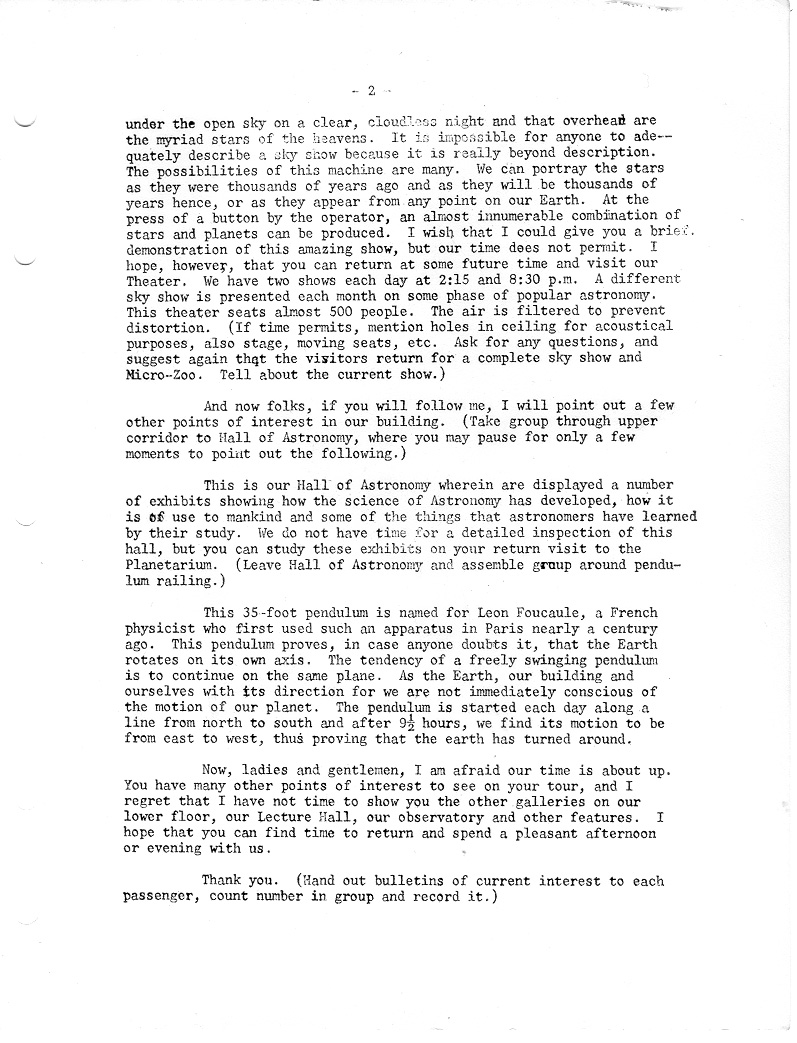
The Buhl Planetarium theater, known for many years as "The Theater of the
Stars," is one of the larger(but not the largest) planetarium theaters.
The planetarium dome has a diameter of 65 feet;
click here to learn more about the construction of this dome.
The theater was designed
to seat 500 people, however, Pittsburgh's Fire Marshal restricted the
capacity to 490 [as indicated on a notice posted at the main entrance (in the small vestibule between the two sets of double-doors) to the Theater of the Stars. As years passed, the seating capacity of the theater
declined. First, this was due to the erection of a much larger control
console, to operate many more auxillary projectors in the coves, at the
bottom of the planetarium dome. Once
laser-light shows started being
presented in the theater, on 1977 July 14, more seats were removed to make
room for the
laser projector; as newer laser projectors were installed, a few more
seats would be taken out of the theater. By the 1980s, permanent seating
in the planetarium theater was 381. Portable seats(specifically purchased
for the planetarium theater), used quite regularly for school
groups(particularly during the Spring months which most
teachers favored for field trips to Buhl) and during the busy "Railroad
Season," when the very
popular
Miniature Railroad and Village would be on display, as well as
the annual showing of the historic
"The Star of Bethlehem" (sometimes titled "The
Christmas Star")
planetarium show during the Thanksgiving, Christmas, and
New Year's holidays, boosted planetarium theater seating to 425-430.
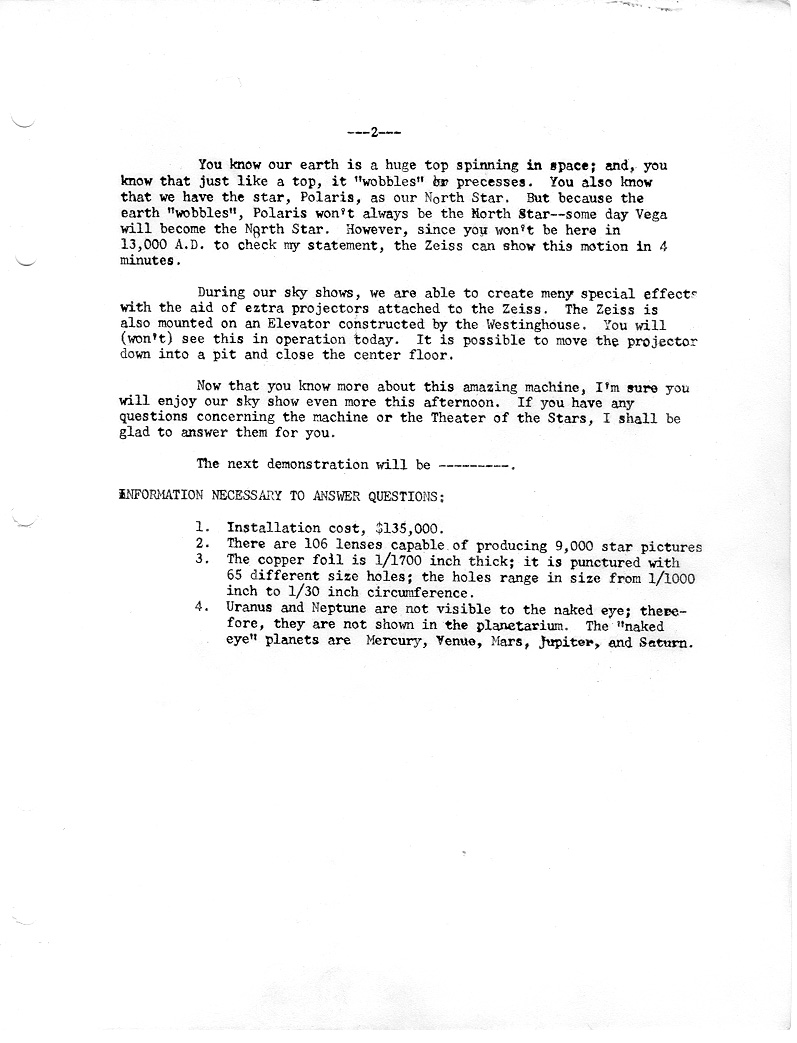
Buhl's Zeiss II was the first planetarium projector to be placed on an
elevator; Westinghouse built this huge worm-gear
elevator, in 1939. This gave additional flexibility to enhance the
performances. Worm-gear elevators of this size are rare.
Engineers visiting Buhl have often requested to see the actual elevator
equipment and are amazed at the size of the four
worm-gears.
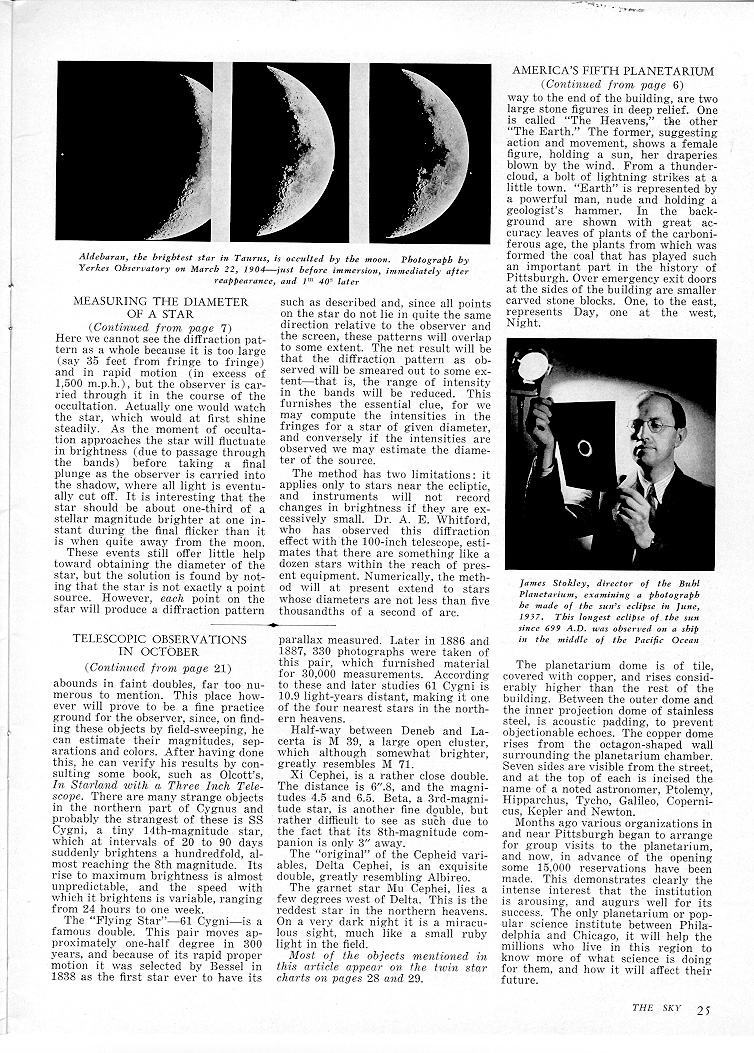
Buhl Planetarium's Theater of the Stars was the first planetarium theater built with a
stage, specifically for theatrical performances. This was the brainchild of Buhl's first Planetarium Director, James Stokley. Before coming to Buhl, he was Planetarium Director of Fels Planetarium at Franklin Institute in Philadelphia, where a temporary stage was constructed in the dome, each Christmas Season, to allow a short presentation relevant to their annual
"The Star of Bethlehem" sky drama.
The Buhl main stage can actually be extended
into the planetarium theater on two tracks; originally, this was
accomplished using electric motors. Various performances have been
presented, over the years, on this stage.
This includes a special
two-part performance of a play about the Italian Astronomer Galileo
Galilei. "Galileo" by Bertolt Brecht was performed from June 18 through August 2, 1981 using the theatrical stage in Pittsburgh's original Buhl Planetarium and Institute of Popular Science. This was a collaboration with the Pittsburgh Public Theater.
The first part of this play was performed in the
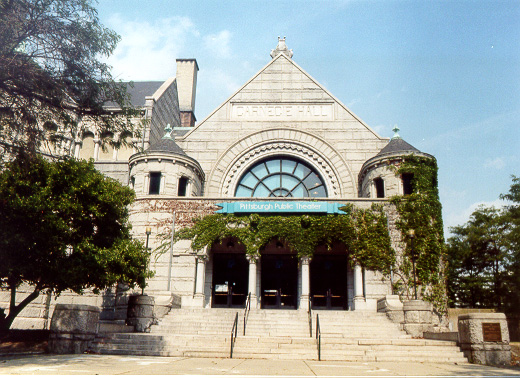
Hazlett
Theatre (the Pittsburgh Public Theater's original venue; the Theater now performs in the O'Reily Theater in the Downtown Cultural District) of the
world's first Carnegie Hall, adjacent to
America's first
publicly-funded Carnegie Library (Andrew Carnegie grew-up on Pittsburgh's
North Side, which was then known as Allegheny City, Pennsylvania),
next-door to the
original Buhl Planetarium. The second part of the performance took place in
Buhl Planetarium's Theater of the Stars, on the theatrical stage.
As part of Buhl's annual
"The Star of Bethlehem" Christmas star show (sometimes called "The Christmas Star," and one year titled, "The Star of Bethelehem Revisited"), a
short stage performance was given. In the middle of the
planetarium show,
the stage curtain would open, and a gentleman, in costume from Christ's
era, would point to the Chrisstmas Star displayed on the dome and tell part of the Christmas story--from the Gospel of Saint
Matthew and the Gospel of Saint. Luke. Primarily, he would tell the story
of the Magi.
Although the audience heard the story, the person on stage was not
speaking--only lip-synching (sort-of). Actually, the person on stage only
needed to move his lips a little and move his arms, and perhaps get up
from his chair and walk a little on the stage. The theater was so dark,
and the stage was so far away from most of the audience, they could not
tell his lips did not match the words they were hearing.
Many Buhl staff members (including volunteers) portrayed this gentleman on
stage, during the Christmas star show; and, this included many of our
female staff. Again, with the elaborate costume,
most audience members could not tell a female was actually playing the
role. In addition to the costume, some staff members would also put on a
beard for greater realism. Many staff members refused to
wear the beard, for public health reasons. The Buhl staff loved playing
the role of this gentleman on stage, who they affectionately nicknamed
Saint Luke!
The theatrical stage in the Buhl Planetarium dome was also used throughout the year for special events, such as the annual
Foreign Language Festival, when high school classes with students studying foreign languages would come to Buhl Planetarium to see
sky shows in the language they were studying. Often, the students would present skits, spoken in the particular language they were studying, on the Buhl Planetarium stage.
And, as Buhl Planetarium also included the world's first planetarium projector to be mounted on an elevator, this allowed the creation of a second, smaller stage, which could be used when the historic Zeiss II Planetarium Projector was lowered into the Zeiss Pit. This second stage was used infrequently, including for "The Last Rubber Spider Auction" in October of 1982, where a lot of Buhl memorabilia was auctioned-off, by Pittsburgh television news personalities, to publicize Buhl's "modernization" from "The Buhl Planetarium and Institute of Popular Science" to the newer name: "Buhl Science Center;" and, of course, it also brought-in some money for Buhl operations.
"The Last Rubber Spider Auction" took its name from a very popular product sold at the Buhl Planetarium Gift Counter, and beginning in late 1982 at the new and much larger Buhl Planetarium Gift Shop, called
The Discovery Shop. In fact, little rubber spiders were the most popular product purchased at the Buhl Planetarium Gift Counter/Shop, primarily bought by young students on school field trips! As part of the "modernization" from Buhl Planetarium to Buhl Science Center, Buhl management felt that the gift shop should concentrate on more scientificly-related products, despite the high quantity of sales of little rubber spiders. Hence, the name, "The Last Rubber Spider Auction," was used to signify this "modernization," as well as to sell-off the remaining little rubber spiders.
In 1939, it was the first planetarium theater(and, perhaps, the first
theater!) to install a special sound system specifically for
the use of the hearing-impaired. Both air-conduction and bone-conduction
headsets were available(for a one dollar, returnable,
deposit fee) for the use of hearing-impaired,
Sky Show attendees.
Like many early planetaria, the local skyline was etched into the bottom
of the planetarium dome. For Buhl, which is located on Pittsburgh's North
Side a little less than a mile from the city's Golden Triangle(Downtown),
the part of the dome which usually displays the southern sky(actually
opposite the true north, due to the way the building and theater
were constructed) had an etching of the Downtown skyline from 1939. By the
1950s, Pittsburgh was undergoing a building boom(known as "Renaissance I")
which radically altered the Downtown skyline. Eventually, Buhl removed a
small section of the bottom part of the dome(around the entire 360
degrees) so the obsolete skyline would no longer be visible; panarama
views of the city, as viewed from Buhl, were projected onto the dome from
then on. However, there is at least one spot on the dome, today, where the
very top of the old skyline(probably the pryramid top of the 44-story Gulf
Building) can be seen. The former headquarters of the Gulf Oil
Corporation,
which was constructed in the late 1920s, includes a weather beacon at the
top of the pryamid, which still uses orange and blue neon
lights to flash a weather forecast for the next six hours; the Buhl dome
did not simulate this weather beacon.
Dim green lights, showing the cardinal points in the planetarium(N for
north, S for south, E for east, and W for west), are
lighted during
planetarium shows. Although the southern sky is normally
opposite the control console (just above the main theatrical stage of the
theater, and, actually north of the control console), the green lights
were arranged so this could be either north or
south; of course, the other cardinal point displays also have two
choices.
Buhl Planetarium Directors and Staff
The Buhl Planetarium and Institute of Popular Science - Staff - 1939 October 24:
Director -
James S. Stokley, M.A. (Later, after leaving Buhl Planetarium: Ph.D.)
Assistant Director - Everett F. Cox, Ph.D.
Lecturer -
Nicholas E. Wagman, Ph.D., Director, Allegheny Observatory
(Also see: Obituary citation)
Lecturer -
Leo J. Scanlon, Co-Founder, Amateur Astronomers Association of Pittsburgh
Public Relations - John J. Grove, Ed. M.
First Buhl Planetarium Lecturers - 1939 October 24:
Lecturer -
Leo J. Scanlon - Co-founder, Amateur Astronomers' Association of Pittsburgh (1929); Founder of first Astronomical Observatory (Valley View Observatory, personal observatory in Summer Hill section of Pittsburgh's North Side) which utilized an all-aluminum dome (1930).
Lecturer -
Nicholas E. Wagman, Ph.D., Director, Allegheny Observatory
(Also see: Obituary citation)
Planetarium Directors 1939 to 1991 - The Buhl Planetarium and Institute of Popular Science / Buhl Science Center:
1939 to 1940:
James S. Stokley, M.A. (. Later, after leaving Buhl Planetarium: Ph.D.)
1940 to 1967:
Arthur L. Draper (Later in his career at Buhl Planetarium, Mr. Draper achieved his Ph.D. Mr. Draper passed-away while serving as Planetarium Director.)
*
Photograph of Mr. Draper looking through Buhl Planetarium's 10-inch Siderostat-Type Refractor Telescope.
*
1950 news article authored by Mr. Draper in The Pittsburgh Press.
*
1961 YouTube video interview of Mr. Draper, regarding the Zeiss II Planetarium Projector (including view of the projector rising from the projector pit), from WIIC-TV 11.
1967 to 1991:
Paul Oles (Paul J. Olejniczak) - Mr. Oles continued as supervisor of the Buhl Science Center Planetarium Department, and then the Henry Buhl, Jr. Pllanetarium and Observatory, The Carnegie Science Center, until the mid-1990s.
1991:
Martin Ratcliffe, BSc Astrophysics, University College London, 1985
Mr. Ratcliffe continued as Director of the Planetarium and Observatory, of the Henry Buhl, Jr. Planetarium and Observatory, The Carnegie Science Center, until 1997.
Buhl Planetarium, "The People's Observatory" - Managers:
1939 to 1943 -
Leo Scanlon, Planetarium Lecturer and Co-Founder of Amateur Astronomers' Association of Pittsburgh
1979 to 1987 - Bill Moser, Director of Special Programs including the Observatory
1986 to 1991 -
Glenn A. Walsh, Astronomical Observatory Coordinator
1991 to 1994:
David E. Chesebrough, M.S. Science Education, University of Pittsburgh, 1976 (Later, after leaving Buhl Planetarium: Ed.D. Educational Leadership, Duquesne University, 1997) -
Assistant Director of the Allegheny Square Annex (name given to original Buhl Planetarium building, 1991 to 1994), The Carnegie Science Center, which was the tutorial center where Carnegie Science Center Science and Computer classes (including Astronomy classes in the original Buhl Planetarium Theater of the Stars and Observatory) were taught, until these classes were consolidated into the new Science Center building in February of 1994 and the Allegheny Square Annex was abandoned. During this time period, Martin Ratcliffe also oversaw the operation of the original Buhl Planetarium Theater of the Stars and Observatory.
Directors of the Planetarium and Observatory 1991 to Present - Henry Buhl, Jr. Planetarium and Observatory, The Carnegie Science Center:
1991 to 1997:
Martin Ratcliffe, BSc Astrophysics, University College London, 1985
1998 to 2013:
John Radzilowicz, Ed.M. Science and the Public, University of Buffalo
2014 to 2015:
Brendan Mullan, Ph.D. Astronomy, Pennsylvania State University, 2013
2023 July to Present: Amanda Iwaniec, Carnegie Science Center Director of Theatre Experiences
Managers of the Planetarium and Observatory 2015 to 2023 - Henry Buhl, Jr. Planetarium and Observatory, The Carnegie Science Center:
2015 to 2022: Mike Hennessy
2022 June to 2023 July:
Daniel Horenstein
Administration, The Buhl Planetarium and Institute of Popular Science / Buhl Science Center / Allegheny Square Annex of The Carnegie Science Center - 1939 to 1994 ---
1939 October 24 to 1982 January 31 - The Buhl Planetarium and Institute of Popular Science:
Director - 1939 to 1940 ---
James S. Stokley, M.A. (Later, after leaving Buhl Planetarium: Ph.D.)
Executive Director - 1940 to 1964 ---
C.V. Starrett - Executive Director of Pittsburgh's original Buhl Planetarium and Institute of Popular Science from 1940 to 1964:
Link 1 ***
Link 2.
Executive Director - 1964 to 1982 ---
Carl F. Wapiennik
1982 Feburary 1 to 1986 December 31 - Buhl Science Center:
Executive Director - 1982 ---
Carl F. Wapiennik
President - 1983 to 1986 ---
Joshua C. Whetzel, Jr.
1987 January 1 to 1991 August 31 - Buhl Science Center, A Component of The Carnegie Institute / Carnegie Museums of Pittsburgh:
Director 1987 to 1991 ---
Alphonse T. DeSena
1991 September 1 to 1994 February 1 - Allegheny Square Annex, The Carnegie Science Center:
David E. Chesebrough, M.S. Science Education, University of Pittsburgh, 1976 (Later, after leaving Buhl Planetarium: Ed.D. Educational Leadership, Duquesne University, 1997) -
Assistant Director of the Allegheny Square Annex (name given to original Buhl Planetarium building, 1991 to 1994), The Carnegie Science Center, which was the tutorial center where Carnegie Science Center Science and Computer classes (including Astronomy classes in the original Buhl Planetarium Theater of the Stars and Observatory) were taught, until these classes were consolidated into the new Science Center building in February of 1994 and the Allegheny Square Annex was abandoned. During this time period, Martin Ratcliffe also oversaw the operation of the original Buhl Planetarium Theater of the Stars and Observatory.
Two World Records
Pittsburgh's original
Buhl Planetarium also has a legitimate claim to two "world records;" one of these world records is shared with the
McFerson Planetarium of the
Center of Science and Industry in Columbus, Ohio, before the McFerson Planetarium was mothballed indefinitely after Labor Day in 2004. The origin of these claims came on 2006 September 27 (19:47:18 CDST) when Kris McCall, Director ot the Sudekum Planetarium in Nashville, asked the following question on the Planetarians' Listserver ("Dome-L") --
--- Kris McCall wrote:
To: "dome-l"
From: "Kris McCall"
Subject: Dome-L: world record
Date: Wed, 27 Sep 2006 19:47:18 -0500
> Is there a world record for showing planetarium
> shows continuously, back
> to back? If any facility has done such a marathon,
> how long did it run?
>
> Kris McCall
> Sudekum Planetarium
> Nashville, TN
1) World record for showing
planetarium shows continuously, back-to-back:
Due to very heavy demand, Pittsburgh's original
Buhl Planetarium found it necessary to show continuous, back-to-back
planetarium shows, during the very busy Thanksgiving and Christmas holiday weeks in the late 1980s and early 1990s. During days of these weeks, when schools were out-of-session and visitors were in Pittsburgh from out-of-town, Buhl Planetarium experienced its heaviest visitation of the year, with thousands of people visiting the institution each day. Hence, during the late 1980s and early 1990s, on thise heavy visitation days, Buhl
Planetarium shows were scheduled every hour, on-the-hour, from 10:00 a.m. through 7:00 p.m.
Buhl Planetarium's Theater of the Stars, at this time, had a seating capacity of 425 (65-foot diameter stainless-steel dome), including 375 permanent seats [for many years, the Planetarium Theater had 381 permanent seats until the installation of a new laser concert projector, by Laser Fantasy International (LFI), which required the removal of some permanent seats]. Although not every seat was filled during every performance of a heavy visitation day, most shows were filled to capacity, particularly the shows in the middle of the day.
Some times there was a break in the "marathon" when no
show was shown at 6:00 p.m. And, some days there was a
holiday-themed laser show shown one hour in the
afternoon instead of the
planetarium show. However, there were definitely certain days when the main
planetarium show was shown, back-to-back, from
10:00 a.m. through 7:00 p.m., every hour on-the-hour
including the 7:00 p.m. show. And, although most of
the time a 6:00 p.m. show was not scheduled, due to
the crowds the 6:00 p.m. show was often added, anyway.
The sky drama being performed during the Thanksgiving and Christmas holidays was the very popular
"The Star of Bethlehem." This show lasted about 45
minutes, with 15 minutes to reset the show (and, of course, with the original Buhl Planetarium using a traditional electro-mechanical projector, set-up was not as easy as it is today with digital planetaria). There were some days, particularly Saturdays and Sundays, when a special
children's planetarium showld be scheduled at either 11:00 a.m. or 12:00 Noon during this period. However the rest of the days
"The Star of Bethlehem" would be shown during every performance.
The original Buhl Planetarium included the world's
first permanent theatrical stage in a planetarium
(and, using electric motors, this stage actually
expanded into the Theater of the Stars, when needed!).
So,
"The Star of Bethlehem" included a live stage
segment, where, for about five minutes, a staff member
would portray "St. Luke" telling the audience the
Christmas story. Although the staff member on stage
was "live," he (or sometimes she!) would lip-synch the
pre-recorded monologue. The staff members enjoyed
getting in costume and performing this short
theatrical skit each holiday season.
So, on certain days [the very busiest days such as "Black Friday" (day after Thanksgiving Day, which was sometimes the busiest day of the year at The Buhl Planetarium and Institute of Popular Science) and a couple days after Christmas Day] during the Thanksgiving and Christmas holiday weeks in the late 1980s and early 1990s, Pittsburgh's original Buhl Planetarium did present
"The Star of Bethlehem" sky drama, back-to-back, from 10:00 a.m. to 7:00 p.m.--a total of 10
sky shows per day!
Buhl Planetarium maintained this world record, alone, until the day after Thanksgiving in 2002 (2002 November 29) when this world record was equaled by the
McFerson Planetarium of the Center of Science and Industry (COSI) in Columbus, Ohio. According to Mike Smail, who then worked for the McFerson Planetarium (and, who is now employed with the
Pennington Planetarium of the Louisiana Art and Science Museum
in Baton Rouge), on the day after Thanksgiving in 2002, and in 2003, (when 8,000 - 10,000 people visited COSI each day) planetarium shows were offered, back-to-back, every hour on the half-hour from 10:30 a.m. to 7:30 p.m. One year the McFerson Planetarium
ran the Loch Ness Company show, "Season of Light;" the other year their own production, the "Sky Tonight," was shown.
Regrettably, the
McFerson Planetarium, which had originally opened at the Center of Science and Industry's new facility on the west bank of the Scioto River in Downtown Columbus, was mothballed indefinitely immediately after Labor Day in 2004. However, it was
finally upgraded and reopened to the public on 2014 November 22. It now boasts being the largest planetarium in Ohio with a 60-foot diameter planetarium dome, seating 200 visitors, and utilizing a Digistar 5 digital projection system.
2) World record for continuous, back-to-back, public performances in a planetarium:
In addition to the eight or ten back-to-back
planetarium shows performed each day during the holiday periods,
laser-light concerts were also performed in Buhl Planetarium on Thursday, Friday, Saturday, and Sunday evenings, beginning at 8:00 p.m. following the last
planetarium showthe day (7:00 p.m.
sky show). And, on Friday and Saturday nights, these
laser shows would continue until 12:45 a.m.!
On Friday and Ssturday nights, hour-long
laser shows were scheduled at 8:00 p.m., 9:15 p.m., 10:30 p.m., and 11:45 p.m. As with the
planetarium shows minutes were alloted, between shows, for setting for the next show.
So, on Friday and Saturday nights during the Thanksgiving and Christmas holiday weeks in the late 1980s and early 1990s, Pittsburgh's original Buhl Planetarium did present continuous public performances, back-to-back, from 10:00 a.m. to 12:45 a.m.--a total of 14 shows per day!
Buhl Planetarium maintained this world record until 2007 January 7, when the record was exceeded by a 32-hour
"
Planetarium Marathon," including both planetarium and laser-light shows, sponsored by the
Sudekum Planetarium, of the Adventure Science Center in Nashville. This marathon marked the end of public planetarium shows performed at the
Sudekum Planetarium, which will now be demolished and replaced by a new, enlarged
Planetarium and Sky and Space Wing of the Adventure Science Center. The new
Sudekum Planetarium is scheduled to open to the public, with a 160-seat capacity (compared to the current seating capacity of 116), in 2008 May; the full Sky and Space Wing of the
Adventure Science Center should be completed by
the Spring of 2009.
Schedule of 32-hour planetarium marathon of planetarium and laser shows
at Sudekum Planetarium, Nashville, 2007 January 6 to 7.
Two news articles regarding planetarium marathon, from The Tennessean newspaper
in Nashville, both phblished 2007 January 4:
Planetarium shows more than 30 hours of programs By Molly Reed, Staff Writer
ASTRONOMY Sudekum Planetarium Show Marathon By Will Ayers
Historic "The Star of Bethlehem" Planetarium Sky Drama at Buhl Planetarium
"The Theater of the Stars" - Buhl's Planetarium Theater & the Zeiss II Planetarium Projector-
Description and other
information - Aide's Book, Copy 8, pages
13,
14,
50, and
51.
Description and other
information - Aide's Reference Manual February 28, 1983, pages
7,
8,
9, and
10.
Information Regarding the Construction of Buhl Planetarium's Dome
Photographs of the Zeiss Mark II Planetarium Projector -
Image
1
***
Image 2 *** Image 3 *** Image
4
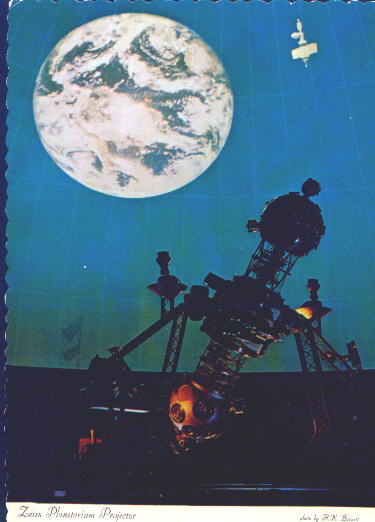
Photographs of the Zeiss Mark II Planetarium Projector from postcards sold at the Buhl Planetarium Gift Shop:
Image 1 *** "
Image 2
Color Photos of Zeiss II on static display at The Carnegie Science Center (2022)
Black-and-White Video of Zeiss II with long-time Planetarium Director Arthur Draper (1961)
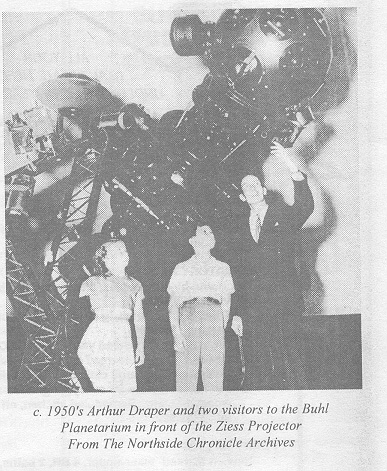
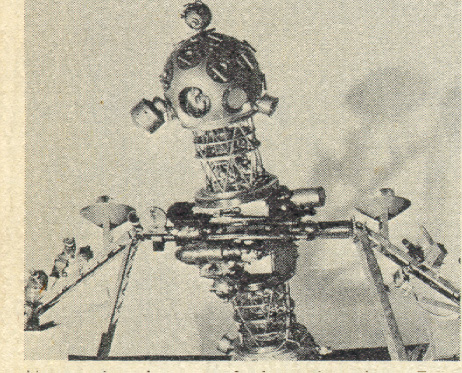
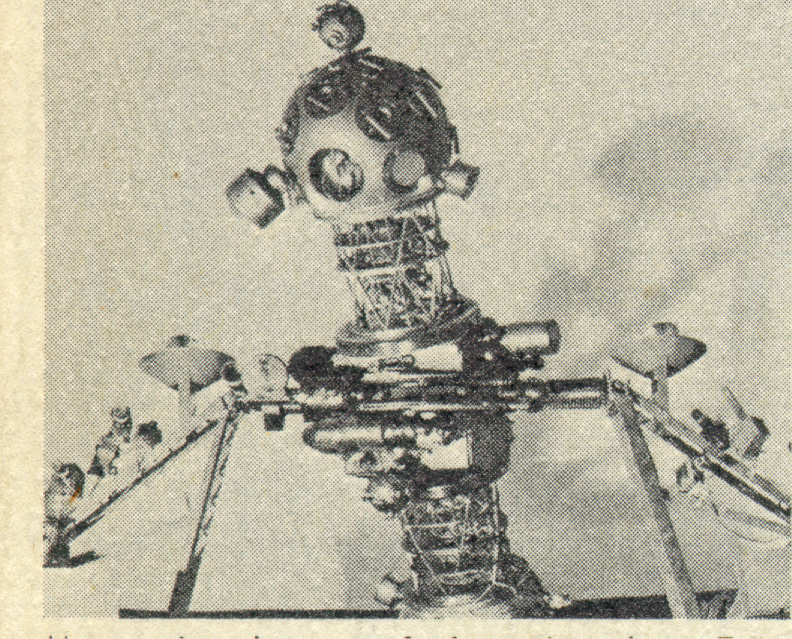
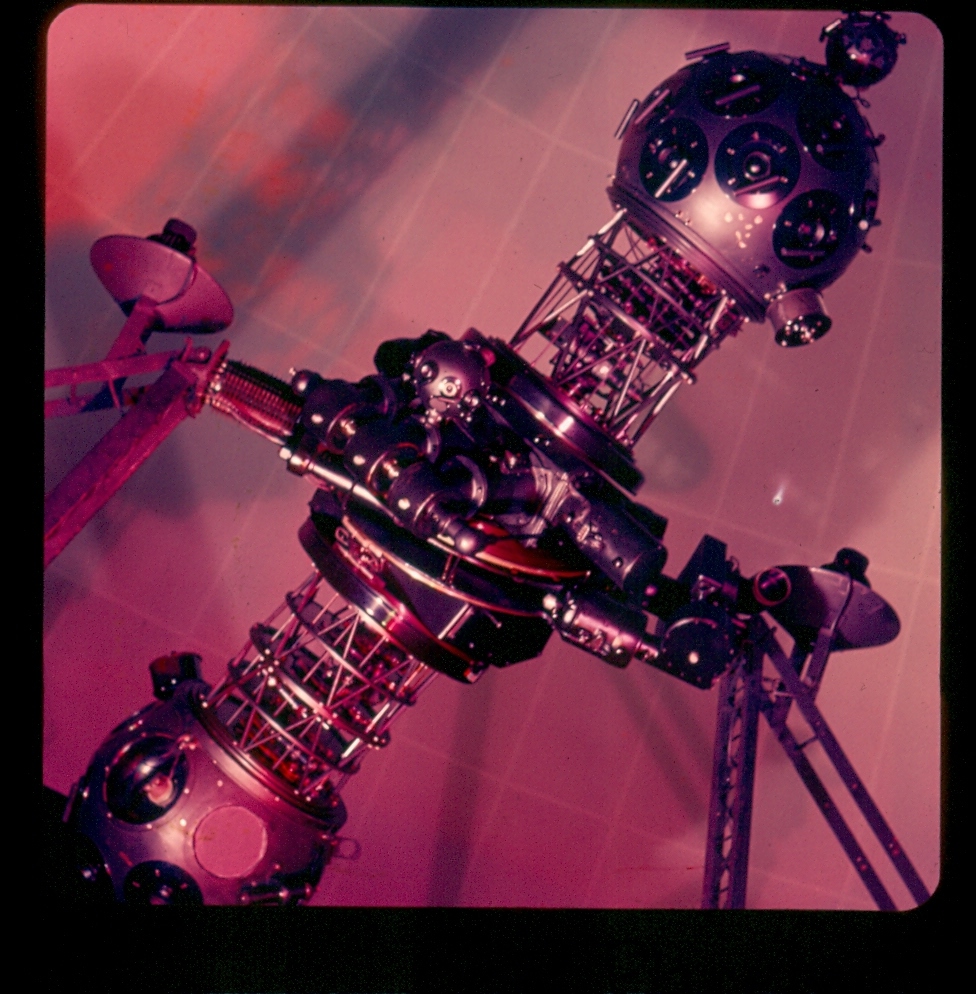
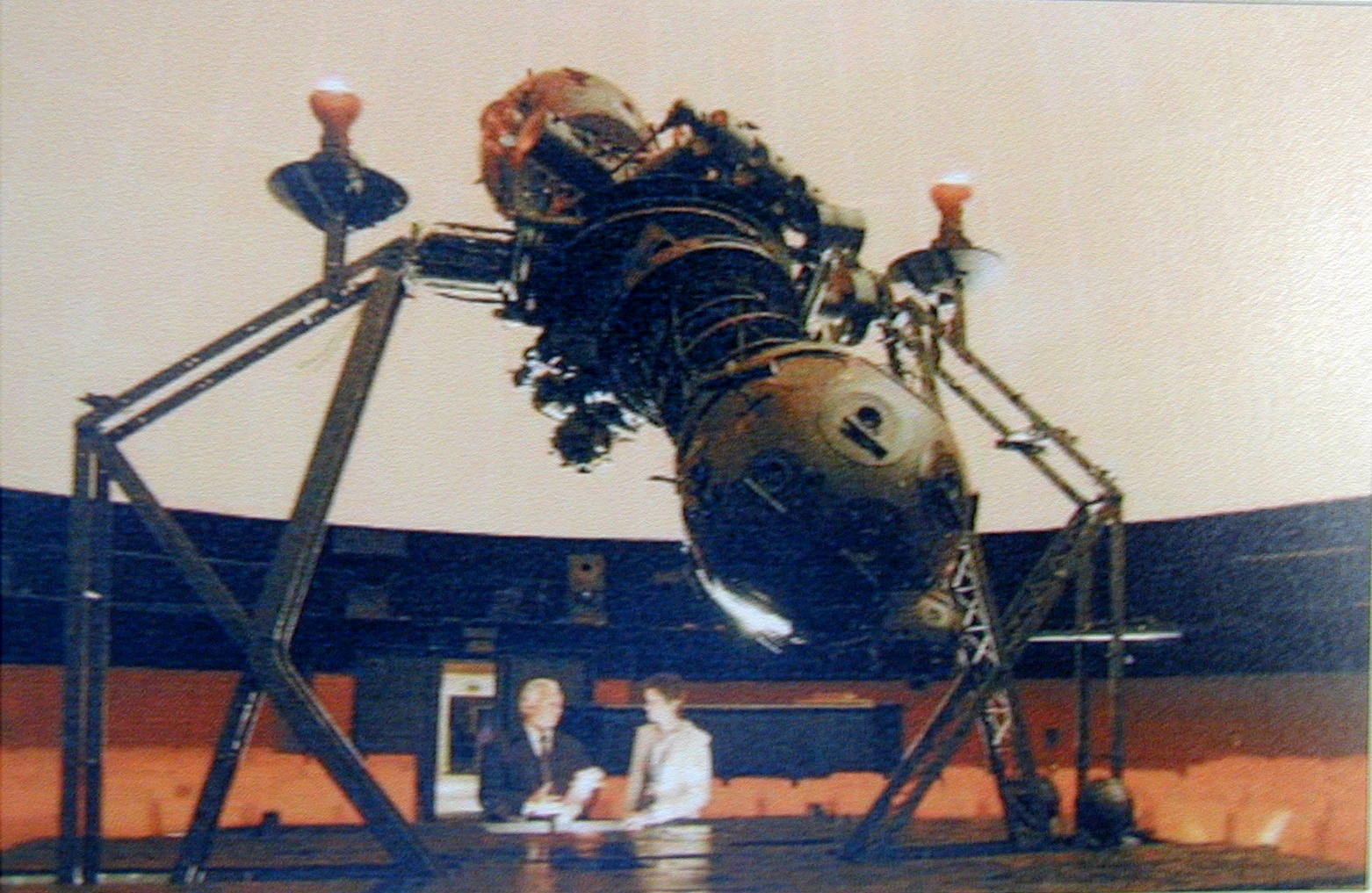
Color photograph of the Zeiss Mark II Planetarium Projector.
(5)
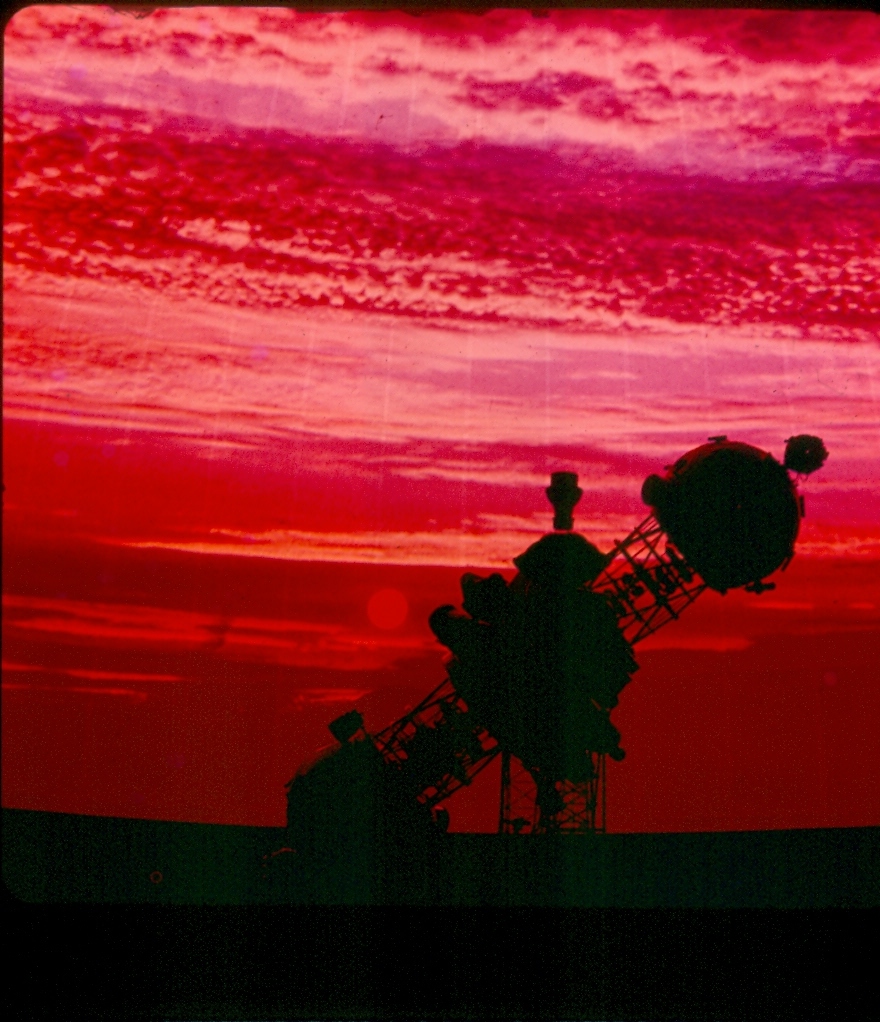
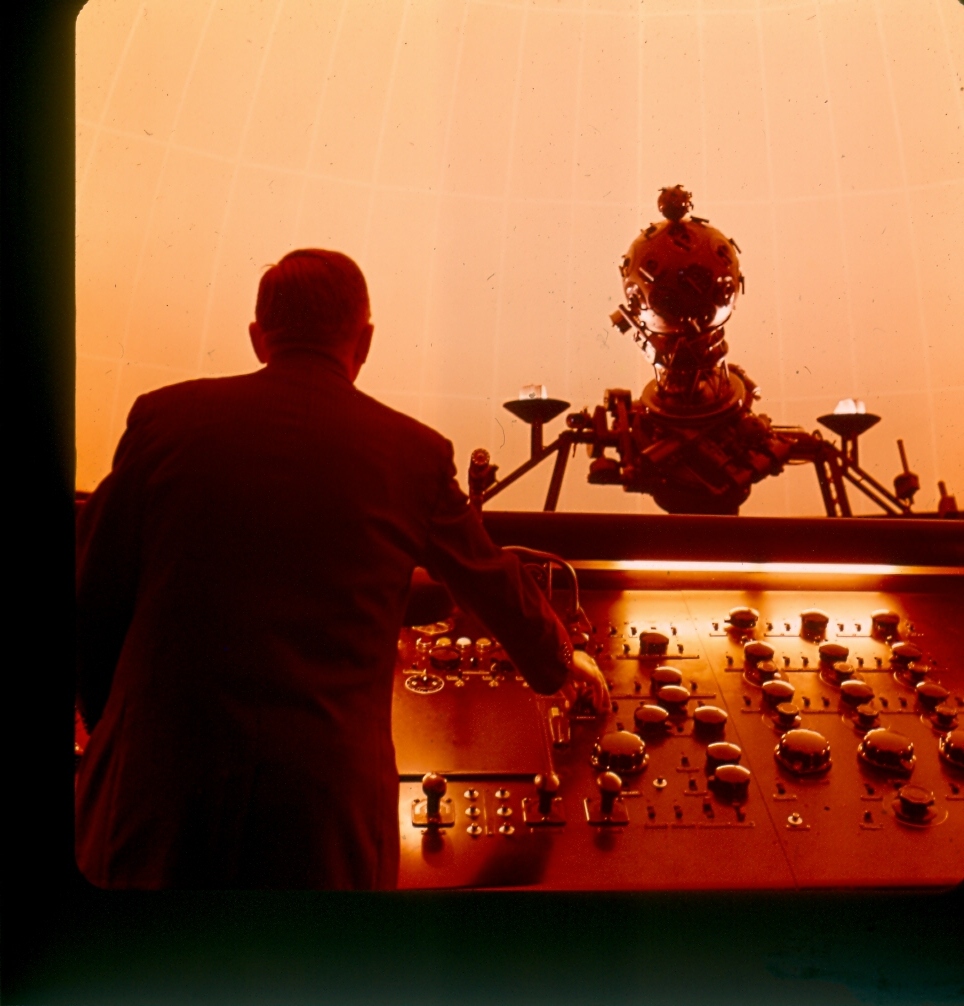
Color photograph of the Zeiss II with sunset clouds in the background.
(5)
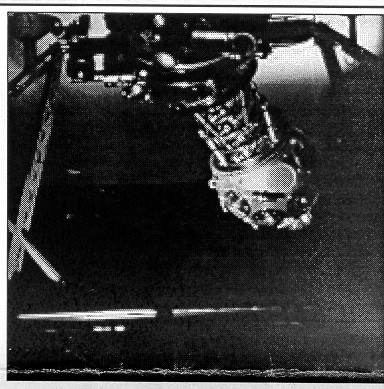
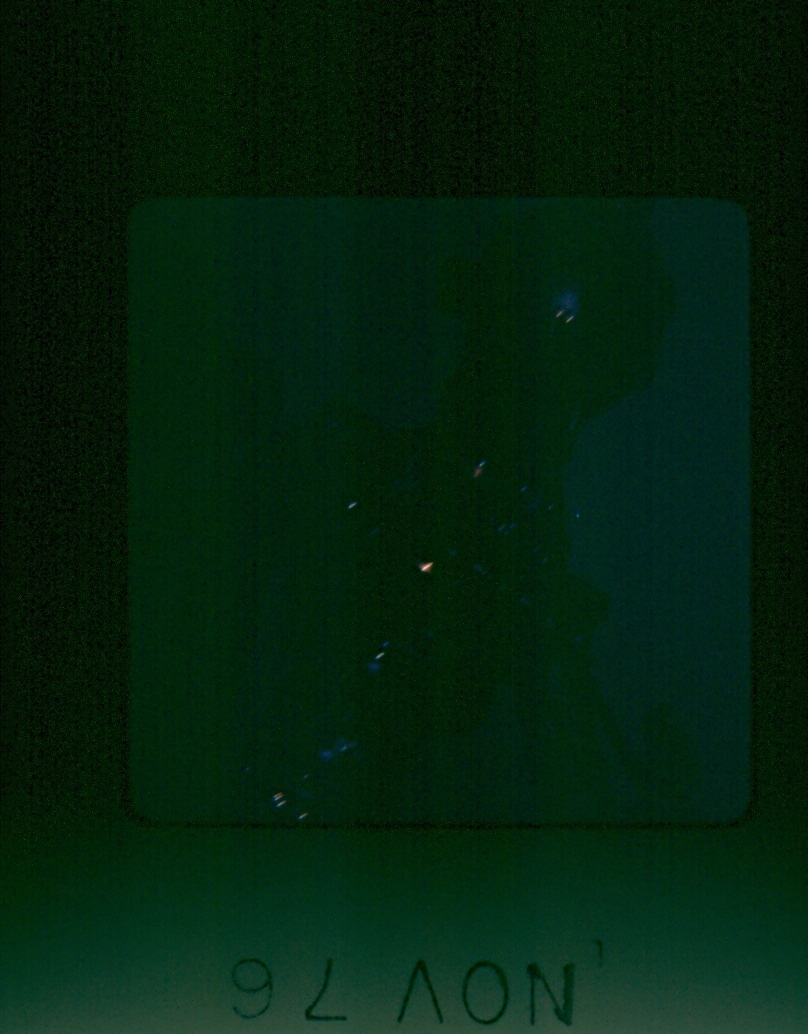
Color photograph of the Zeiss II, during a dark portion of a sky show.
(5)
Color photograph of the
Zeiss II projector from the
2002 April 4 issue of the Pittsburgh Tribune-Review. Standing in the background of this photograph are Pittsburgh City Councilman (later Pittsburgh Mayor) Bob O'Connor (who passed-away during first year as Mayor) and Children's Museum of Pittsburgh Executive Director Jane Werner. This photograph was taken during City Council's tour of the original Buhl Planetarium building, as they were considering the disposition of historic Buhl Planetarium equipment and artifacts. A black-and-white version of this photograph was published the next day in USA Today.
Color photograph of the
Zeiss II projector on the cover of 2001 February 21 issue of the
Pittsburgh City Paper.
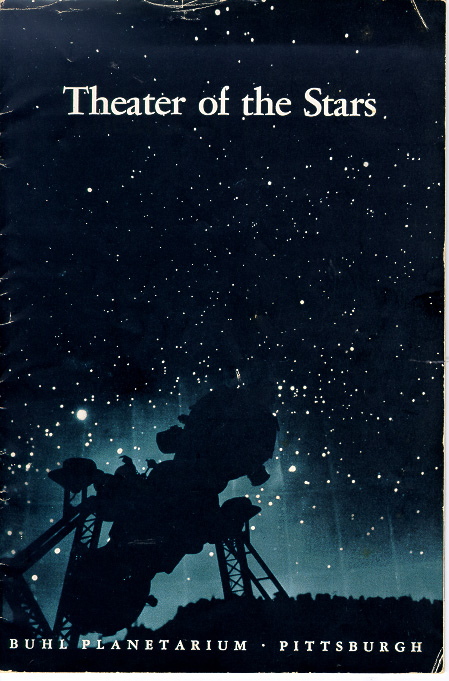
The Zeiss II projector pictured during a performance, from the cover of the Buhl-produced
booklet,
Theater of the Stars:
Small Image ***
Large Image
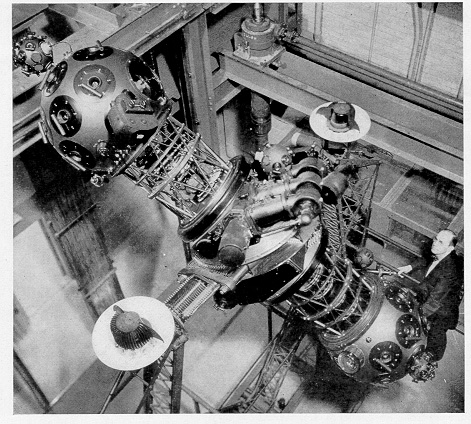
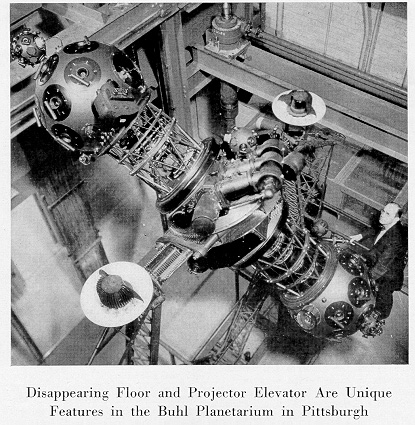
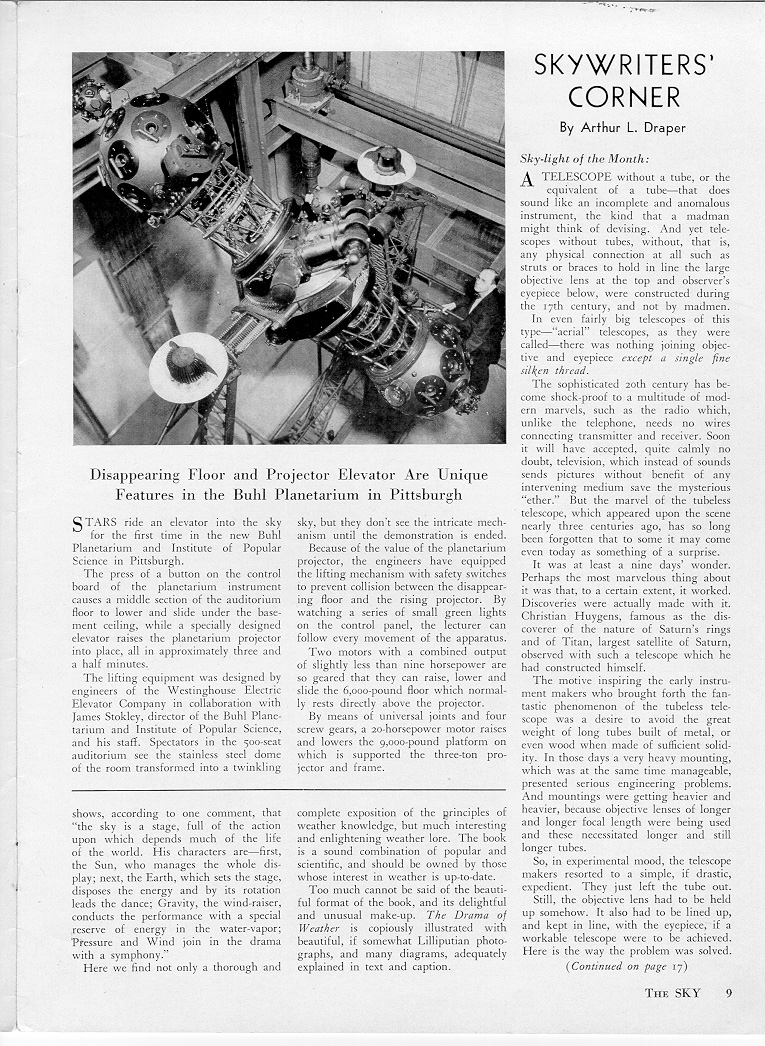
Zeiss II Projector in Zeiss Elevator Pit - Buhl's Zeiss II projector was the first
planetarium projector in the world to be placed on an elevator, to allow greater
flexibility in the planetarium theater. The rather unique "worm gear" elevator uses four
huge worm gears to lower and raise the projector. Due to its rather unique nature,
engineers visiting Buhl would often ask to be taken to the elevator pit to see this
elevator. This elevator was constructed by Pittsburgh's Westinghouse Electric Corporation,
at the time of the Zeiss projector's original installation in early 1939. When moving between the Zeiss Pit(located in a special machinery room, encircled by Buhl Planetarium's public Octagon Gallery in the Lower Level) and the Theater of the Stars, this elevator moves at a speed of ten feet per minute.
Photograph ***
Photograph with Caption
Photograph with News Article from The Sky Magazine, 1940 January
Zeiss II
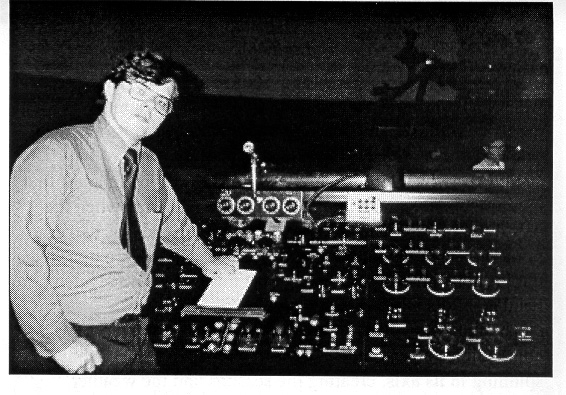
Control Console -
**
Photograph of Francis G. Graham, Founder of
the American Lunar Society and long-time Buhl Planetarium Lecturer,
standing in front of the control console for the Zeiss II Projector in September of 1982.
(5)
**
Photograph of Dr. Nicholas E. Wagman (former Allegheny Observatory Director), who was one of the first two Buhl Planetarium Lecturers (the other being Amateur Astronomers' Association of Pittsburgh Co-Founder
Leo J. Scanlon),
standing in front of the control console of the Zeiss II Projector.
(5)
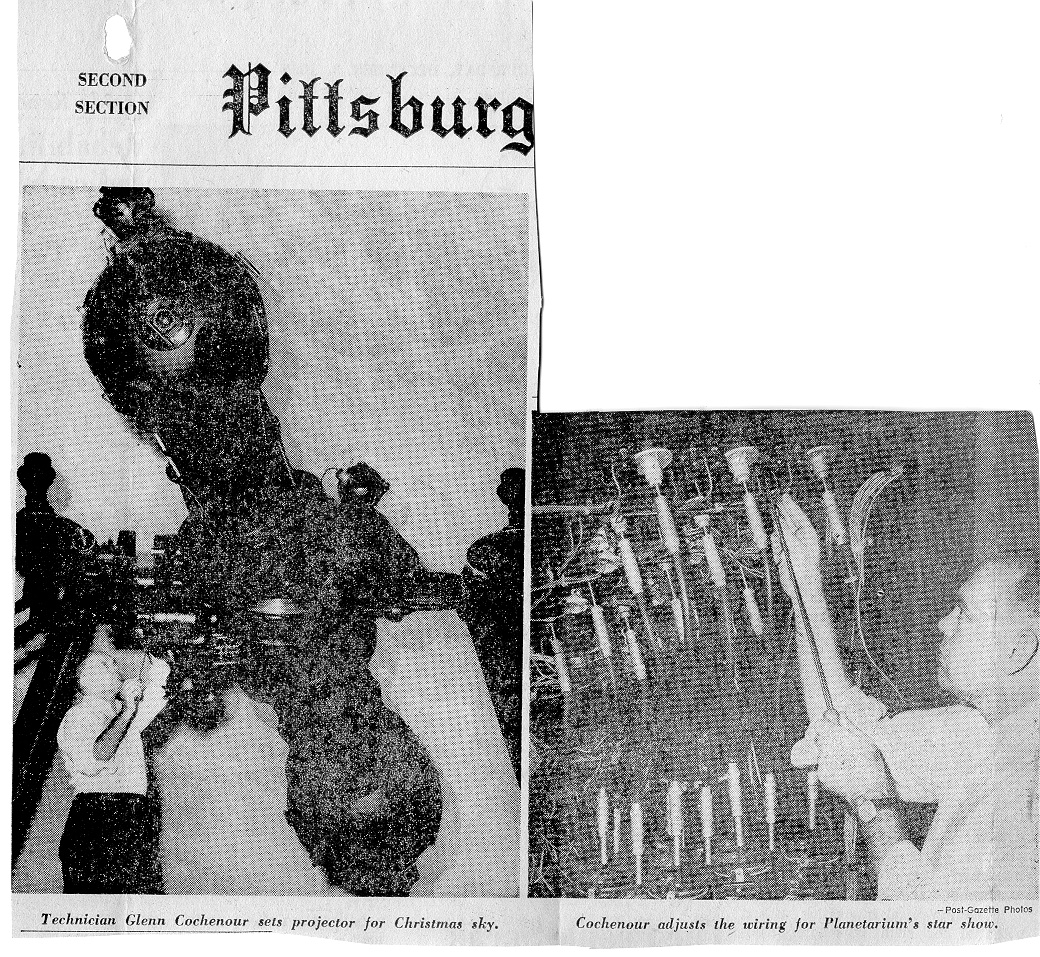
Photographs:
"Technician Glenn Cochenour sets projector for Christmas sky show."
"Cochenour adjusts the wiring for Planetarium's star show."
Pittsburgh Post-Gazette 1966 Dec. 8.
Photographs of Buhl Planetarium's Zeiss II Planetarium Projector.
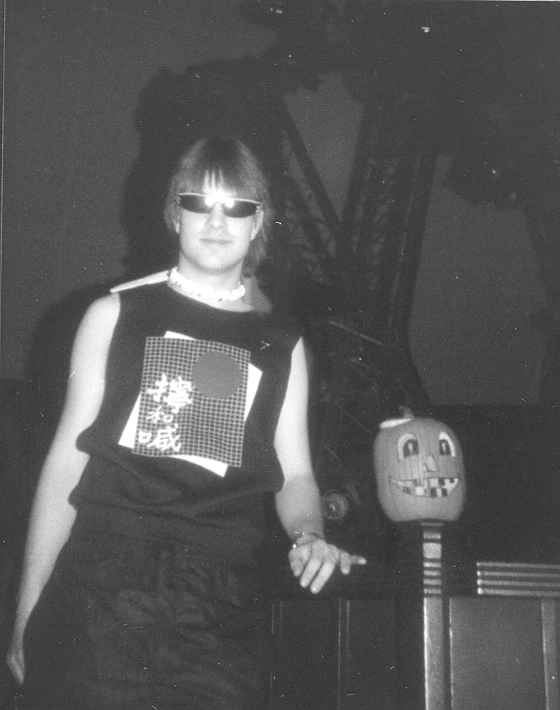
Long-time Buhl Planetarium Technician James Hughes is pictured in costume, in front of the Zeiss II Planetarium Projector, on Halloween evening in 1983, at the conclusion of the evening's planetarium show and before the Laserium Laser-Light Concert
(5).
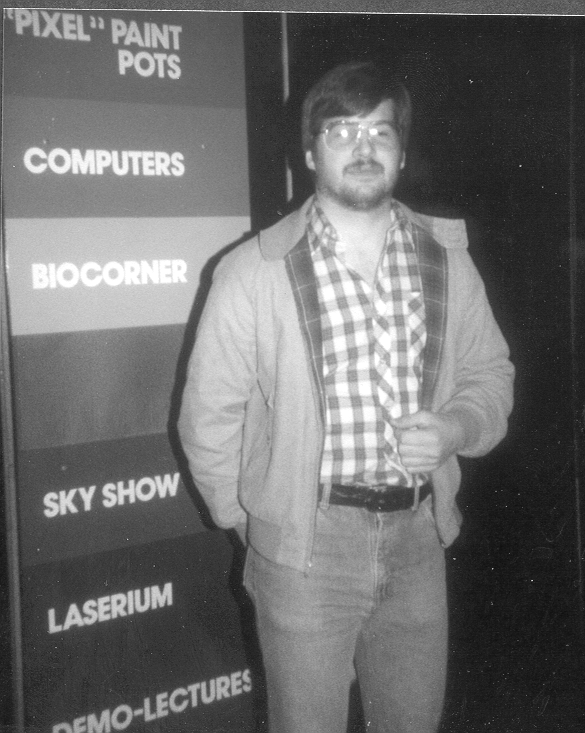
Buhl Planetarium visitor John Daniel Potemra (then of the McKeesport suburb of Versailles Borough) stands outside at the visitors' entrance to The Buhl Planetarium and Institute of Popular Science (then known as the Buhl Science Center), on 1983 September 24
(5).
He stands beside a large sign, mounted between the two visitor doors (at that time, recently converted from the original two revolving doors to two large glass doors, to provide accessibility to the disabled), which advertises some of the major attractions in the building including the "Pixel-Paint Pots" artistic touch computer, Computers [in the
Computer Learning Lab (CLL)], "BioCorner" Chick-Hatching Exhibit,
Planetarium Sky Shows,
Laserium Laser-Light Concerts, and Demonstrations and Lectures.
Photograph of
Francis G. Graham, Professor Emeritus of Physics at Kent State University, looking up at the historic
Zeiss II Planetarium Projector on display-only, in the Atrium Gallery of
The Carnegie Science Center, located on the North Shore of the Ohio River a mile southwest of Pittsburgh's original
Buhl Planetarium and Institute of Popular Science. From the late 1970s through the mid-1980s, Professor Graham was a Planetarium Lecturer and Observatory Observer at the original Buhl Planetarium and presented planetarium shows in the
Theater of the Stars using the
Zeiss II projector several times a week (Photographer: A. Ferguson; Photograph taken: 2014 June 11).
Click here for more information about the Carnegie Science Center display, which began in July of 2010.
Photographs of the Zeiss II projector from "Save the Buhl" Internet Web Site
News of Buhl Planetarium
$65 Million Donation Results in Name Change from Carnegie Science Center to Kamin Science Center
Largest Carnegie Museums Donation Since Founding by Andrew Carnegie
*
Facebook Post - Buhl Science Center: Michelle McSwigan. 2024 Jan. 23. First retrieved 2024 Jan. 24.
*
"DANIEL AND CAROLE KAMIN MAKE TRANSFORMATIONAL $65 MILLION GIFT
IN SUPPORT OF CARNEGIE SCIENCE CENTER." New Release.
The Carnegie Science Center 2024 Jan. 23. First retrieved 2024 Jan. 24.
Daniel Kamin, a Pittsburgh-based commercial real estate entrepreneur, traces his personal
dedication to science to childhood visits to Buhl Planetarium and Institute of Popular Science,
the precursor to Carnegie Science Center. The Buhl Planetarium was renamed Carnegie
Science Center and opened to the public in its current location in 1991.
“I vividly recall crafting my own telescope during many inspired visits to The Buhl, so I have a
great appreciation for the role the Science Center plays in educating and inspiring our young
people,” Daniel Kamin said. “The Science Center is a vital contributor to the economic vitality of
the Pittsburgh region and a great partner to our schools and science-based businesses. Carole
and I were inspired by the future vision presented
* Klimovich Harrop, Joanne.
"Carnegie Science Center changing name after receiving $65M gift."
TribLive.com: Pittsburgh Tribune-Review 2024 Jan. 23. First retrieved 2024 Jan. 24.
Silverman, Julie.
"Stargazing: Buhl Planetarium turns 84." Column: Stargazing.
Pittsburgh Post-Gazette 2023 Oct. 24. First retrieved 2023 Dec. 4.
Walsh, Glenn A.
"Centennial: Projection Planetarium." Blog-Post.
SpaceWatchtower 2023 Oct. 21. First retrieved 2023 Oct. 21.
Silverman, Julie.
"Stargazing: 100 years of viewing the planets and night skies — indoors." Column: Stargazing.
Pittsburgh Post-Gazette 2023 Oct. 3. First retrieved 2023 Oct. 16.
The Zeiss “Mark 2” that graced the original Buhl Planetarium remains on display at Carnegie Science Center.
Walsh, Glenn A.
"$4.48 Million Mars Exhibit Opens in Pittsburgh." Blog-Post.
SpaceWatchtower 2023 Jan. 11. First retrieved 2023 Jan. 11.
Exhibit opened at The Carnegie Science Center.
Includes information regarding Mars exhibits that were displayed at the original Buhl Planetarium and Institute of Popular Science / Buhl Science Center.
From time-to-time, the Buhl Planetarium sky show performance, in the original Theater of the Stars, would be about Mars. This includes a show titled, “The Red Planet Mars” in April of 1988, ahead of the Perihelic Opposition of Mars on 1988 September 28 (closest approach to Earth: 1988 September 22). The historic Zeiss II Planetarium Projector (Property of the City of Pittsburgh), which presented all planetarium sky shows from 1939 to 1991, is now on static display in the Space Place exhibit in The Carnegie Science Center's first-floor Atrium Gallery.
Tady, Scott.
"'Pixar’s Inside Out' makes world premiere at Children’s Museum of Pittsburgh re-opening."
Beaver County (PA) Times 2021 June 16. First retrieved 2021 June 17.
Perennial museum exhibits such as MAKESHOP and Waterplay have been refreshed, while the Garage features two new
activities: an interactive projection on the vaulted dome of the former Buhl Planetarium and a new climbing net. The
Studio will feature "Puppets: A Beautiful Fantasy,'' based on the museum’s Margo Lovelace Collection.
Lynn, Hannah.
"Seven Days of Arts and Entertainment: Nov. 19-25."
"Sun., Nov. 22 - Family Fun." Weekly Listings.
Pittsburgh City Paper 2020 Nov. 18. First retrieved 2020 Nov. 22.
Get out of town — far out — with Space Out! Astronomy Weekend at the Carnegie Science Center. Celebrate and learn
about outer space including "Stars Over Pittsburgh" planetarium and "Cosmic Chemistry" shows. The Science Center is
limiting capacity to 15%, so get your tickets in advance. 10 a.m.-5 p.m. One Allegheny Ave., North Side. $11.95-19.95.
carnegiesciencecenter.org
"Carnegie Science Center Unveils Upgrades To Buhl Planetarium, New Addition To Miniature Railroad."Video Report with Text.
KDKA-TV 2, Pittsburgh 2020 Nov. 17. First retrieved 2020 Nov. 22.
$2 million upgrade of Carnegie Science Center's Buhl Planetarium.
"PHOTOS: Carnegie Science Center’s Buhl Planetarium, Miniature Railroad and Village renovations." Photograph Essay.
WPXI-TV 11, Pittsburgh 2020 Nov. 17. First retrieved 2020 Nov. 22.
$2 million upgrade of Carnegie Science Center's Buhl Planetarium.
Machosky, Michael.
"The upgraded Buhl Planetarium is now one of the most advanced in North America."
NextPittsburgh.com 2020 Nov. 17. First retrieved 2020 Nov. 19.
$2 million upgrade of Carnegie Science Center's Buhl Planetarium.
Pitz, Marylynne.
"It's a digital universe at Carnegie Science Center's Buhl Planetarium."
Pittsburgh Post-Gazette 2020 Nov. 17. First retrieved 2020 Nov. 19.
$2 million upgrade of Carnegie Science Center's Buhl Planetarium.
"Pittsburgh’s new planetarium is out of this world." Newsletter.
The Incline 2020 Nov. 11. First retrieved 2020 Nov. 19.
$2 million upgrade of Carnegie Science Center's Buhl Planetarium.
"Multi-million $$ renovation to Buhl Planetarium." Facebook Micro-Blog-Post.
Carnegie Science Center 2020 Nov. 9. First retrieved 2020 Nov. 19.
$2 million upgrade of Carnegie Science Center's Buhl Planetarium.
"Multi-million $$ renovation to Buhl Planetarium." Twitter Micro-Blog-Post.
Carnegie Science Center 2020 Nov. 9. First retrieved 2020 Nov. 20.
$2 million upgrade of Carnegie Science Center's Buhl Planetarium.
McMonagle, Haley.
"Buhl Planetarium’s pioneering past."
The Northside Chronicle, Pittsburgh 2020 Jan. 1. First retrieved 2020 Feb. 13.
Editor's Note: The author of this Northside Chronicle article, Haley McMonagle, is the granddaughter of a former
Buhl Planetarium Floor Aide, Dewitt Peart, who is interviewed in this article (also includes a 1950s photograph of Dewitt Peart
explaining the Foucault Pendulum to a Cub Scout group).
Collins, Curt.
"Astronomer Arthur L. Draper on the UFO Mystery." Blog-Post.
The Saucers That Time Forgot 2018 December 7.
Includes article by Buhl Planetarium Director Arthur L. Draper:
Draper, Arthur L.
"Flying Saucers."
The Pittsburgh Press 1950 July 2.
Quinn, Sally.
"The final frontier? With these 10 cool ways kids can explore space in Pittsburgh, it’s just the beginning."
NextPittsburgh.com 2018 Oct. 24.
Includes photographs and information regarding the historic
Foucault Pendulum and
Zeiss II Planetarium Projector of the original
Buhl Planetarium and Institute of Popular Science.
Coincidentally, this article was published on the 79th anniversary of Buhl Planetarium!
Born, Molly.
"Obituary: James Paul Hughes / Longtime educator at Buhl Planetarium." Obituary.
Pittsburgh Post-Gazette 2017 Oct. 16.
Pittsburgh's original Buhl Planetarium, and later the Henry Buhl, Jr. Planetarium and Observatory at The Carnegie Science Center, are where James Hughes would spend most of his career,
beginning with operating the Zeiss II projector that was long used to display planets and other
cosmic gems on the domed ceiling of the “Theater of the Stars.”
"Ringgold Boosters to induct 10 into Hall of Fame."
Observer-Reporter, Washington PA 2017 Sept. 28.
Ten inductees, all graduates of either Donora or Monongahela high schools, will be honored in addition to 10 outstanding high school students at the Ringgold Boosters Hall of Fame Banquet.
Carl Francis Wapiennik, who graduated in 1945 from Donora High School. Wapiennik was named in “Who’s Who in America” and was honored as “Man of the Year” by the Pittsburgh Jaycees. These honors were based on his outstanding education accomplishments and civic generosity.
Wapiennik graduated magna cum laude in 1953 from the University of Pittsburgh with bachelor’s degree in physics. He is a member of Phi Beta Kappa and Sigma Pi Sigma national physics honor society.
In 1964, Wapiennik was named executive director of Buhl Planetarium, where he supervised the design and production of numerous electro-mechanical visual effects for the Star Theater presentations and gallery exhibits. He is well-known among area educators and students for his demonstration in general science and physics.
He participated in designing the planetarium’s unique Hall of the Universe, which features astronomy exhibits under ultraviolet light. He also planned and developed the Star Theater’s 360-degree panoramic projection system, the multiple speaker sound system and the master control console. These systems gave Buhl the distinction of being able to present two sky dramas on the same day.
Before his work at Buhl, Wapiennik was employed by Radio Corp. of America, Canonsburg, and the Naval Research Laboratories, Washington, D.C. He was a radar specialist aboard the aircraft carrier U.S.S. Randolph during World War II.
Mr. Wapiennik is co-inventor of a patented valve for controlling liquid flow without the use of moving parts.
He was also very involved in the erection and maintenance of the very popular Miniature Railroad and Village, displayed in the Bowdish Gallery on the Lower Level of The Buhl Planetarium and Institute of Popular Science.
Auth, Miriah.
"Honors Program employs new assistant director."
The Globe, Point Park University, Pittsburgh 2017 Sept. 26.
Brendan Mullan, former Director of the Henry Buhl, Jr. Planetarium and Observatory at Pittsburgh's
Carnegie Science Center, has been appointed as Assistant Director of the Point Park University Honors Program.
"Buhl Science Center Seating - $100 (South Side Flats)." Sale Listing.
Pittsburgh.CraigsList.org 2017 July 5.
Sale listing of two former red seats from the original Buhl Planetarium at the Buhl Science Center, Pittsburgh.
O'Shea. Ryan.
"NASA astronaut comes home, talks Pittsburgh roots." Text and Video News Story.
WTAE-TV 4. Pittsburgh 2016 July 16.
Includes brief, partial views of the historic
Zeiss II Planetarium Projector
from Pittsburgh's original
Buhl Planetarium and Institute of Popular Science,
as displayed at the entrance to the Science Stage Theater of Pittsburgh's Carnegie Science Center.
Walsh, Glenn A.
"Laserium: 40th Anniversary." Blog Post.
SpaceWatchtower 2013 Nov. 19.
2013 November 19 marks the 40th anniversary of the musical concert set to laser lights known as Laserium, once seen in many planetaria worldwide, including Pittsburgh's original Buhl Planetarium and Institute of Popular Science (a.k.a. Buhl Science Center). As Laserium is considered the first on-going laser show that was not part of a special or one-time event, it is also thought that Laserium launched the international laser display industry.
* Walsh, Glenn A.
"1938 Fireball Explosion Over W PA Remembered." Blog Post.
SpaceWatchtower 2013 March 11.
About 6 p.m. June 24, 1938, a huge fireball exploded over the small borough of Chicora, Pennsylvania. At first, the commotion was thought to have been caused by an explosion in a nearby building used to store gunpowder.
Had it progressed closer to Earth before exploding, note the studies, it would have destroyed much of nearby Pittsburgh and resulted in very few survivors. (Special Note: When this event happened, Pittsburgh's original Buhl Planetarium and Institute of Popular Science was under construction, in the center of the North Side's business district.)
The fist-size meteor fragments were split into two collections, one set going to the Smithsonian Institution in Washington and the other to the Carnegie Museum in Pittsburgh.
* Walsh, Glenn A.
"Preservation? Buhl Planetarium & Schenley High School." Blog Post.
SpaceWatchtower 2013 Feb. 21.
Although the Zeiss II Planetarium Projector is now on display at The Carnegie Science Center, it no longer does what is does best: a second-to-none, realistic depiction of the planets and stars in the night sky. The 10-inch Siderostat-type Refractor Telescope and most other artifacts remain in storage, benefiting no one.
* Walsh, Glenn A.
"Buhl Planetarium Poem by Ann Curran." Blog Posting.
SpaceWatchtower 2012 May 3.
Poem "At the Late Buhl Planetarium and Institute of Popular Science," written by Pittsburgh Poet and
former Buhl Planetarium employee Ann Curran, who held a poetry reading at the Main Branch of
The Carnegie Library of Pittsburgh on 2012 April 15.
Buhl Planetarium's Theater of the Stars remembrance in poem.
* Smith, Pohla.
"Star projector returns to the spotlight at Pittsburgh's science center."
Pittsburgh Post-Gazette 2010 July 14.
* Smith, Pohla.
"Facts about the Zeiss Model II Star Projector."
Pittsburgh Post-Gazette 2010 July 14.
* Walsh, Glenn A.
"Zeiss II Projector Exhibit at CSC." Electronic Mail Group Message.
Friends of the Zeiss Mail-Group 2010 July 10.
*
"Zeiss Star Projector shines in new exhibition at Science Center."
The South Pittsburgh Reporter 2010 July 6.
* Mitchell, Ellen.
"Old Buhl Planetarium's projector still draws fans."
Pittsburgh Tribune-Review 2010 July 2: B3.
* Walsh, Glenn A.
"Zeiss Projector Exhibit Opens at CSC." Electronic Mail-Group Message.
South Hills Backyard Astronomers Mail-Group 2010 July 1.
*
"Old Star Projector Part of Science Center Exhibit." Video News Report.
KDKA-TV 2, Pittsburgh 2010 July 1.
(Search KDKA-TV 2 video library, at this link, using search terms "star projector".)
*
"Carnegie Science Center PRESENTS Iconic Zeiss Star Projector
in New Historic Exhibition." News Release.
The Carnegie Science Center 2010 June 30.
Display of historic Buhl Planetarium Zeiss II Planetarium Projector, in Carnegie Science Center
Atrium Gallery, begins 2010 July 1.
"Star of Bethlehem" Planetarium Show at original Buhl Planetarium
The Pittsburgh Press:
Listings. 1990 Nov. 29.
"Happenings at Buhl." 1990 Nov. 21.
* The next day (Thanksgiving Day) would begin the 51st and final season of the classic "Star of Bethlehem" Planetarium Show in the Buhl Science Center's Zeiss Planetarium (The author, Glenn A. Walsh, was the Planetarium Lecturer for the very first, 10:00 a.m., planetarium performance; Garth E. Schafer portrayed "Saint Luke" on the Buhl Planetarium stage during this performance.).
"Oles thinks his job is heavenly."
The Pittsburgh Press Thur., 1988 Sept. 22. p. A-2
Interview with, and brief biography of, Buhl Science Center Director of Planetarium Programs Paul Oles.
Walsh, Glenn A.
"$4.48 Million Mars Exhibit Opens in Pittsburgh." Blog-Post.
SpaceWatchtower 2023 Jan. 11. First retrieved 2023 Jan. 11.
Exhibit opened at The Carnegie Science Center.
Includes information regarding Mars exhibits that were displayed at the original Buhl Planetarium and Institute of Popular Science / Buhl Science Center.
From time-to-time, the Buhl Planetarium sky show performance, in the original Theater of the Stars, would be about Mars. This includes a show titled, “The Red Planet Mars” in April of 1988, ahead of the Perihelic Opposition of Mars on 1988 September 28 (closest approach to Earth: 1988 September 22). The historic Zeiss II Planetarium Projector (Property of the City of Pittsburgh), which presented all planetarium sky shows from 1939 to 1991, is now on static display in the Space Place exhibit in The Carnegie Science Center's first-floor Atrium Gallery.
Rogers, Fred.
"Celebrations." Television Program Episode No.1562. PBS Children's Television Series (WQED-TV 13, Pittsburgh)
Mister Rogers Neighborhood 1986 May 6.
Link 1 ***
Link 2
Buhl Planetarium Lecturer
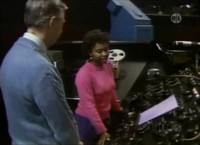
Audrey Wiliams gives Mister Rogers a tour of the original Buhl Planetarium:
Image of Audrey Williams and Mister Rogers at the Control Console for Buhl Planetarium's historic Zeiss II Planetarium Projector.
Stewart, Ray.
"Buhl Planetarium Zeiss Projector, 1962"
Television Interview with Buhl Planetarium Director Arthur L. Draper regarding Zeiss II Planetarium Projector (including view of projector rising from projector pit).
YouTube Video: Program "Magic Carpet," WIIC-TV 11 (now known as WPXI-TV), Pittsburgh 1962 May 28.
Draper, Arthur L.
"Flying Saucers."
The Pittsburgh Press 1950 July 2.
This article by Buhl Planetarium Director Arthur L. Draper is included in the following blog-post:
Collins, Curt.
"Astronomer Arthur L. Draper on the UFO Mystery." Blog-Post.
The Saucers That Time Forgot 2018 December 7.
Oldest Planetarium ?
Zeiss
Planetarium Projectors in the World, Prior to 1950
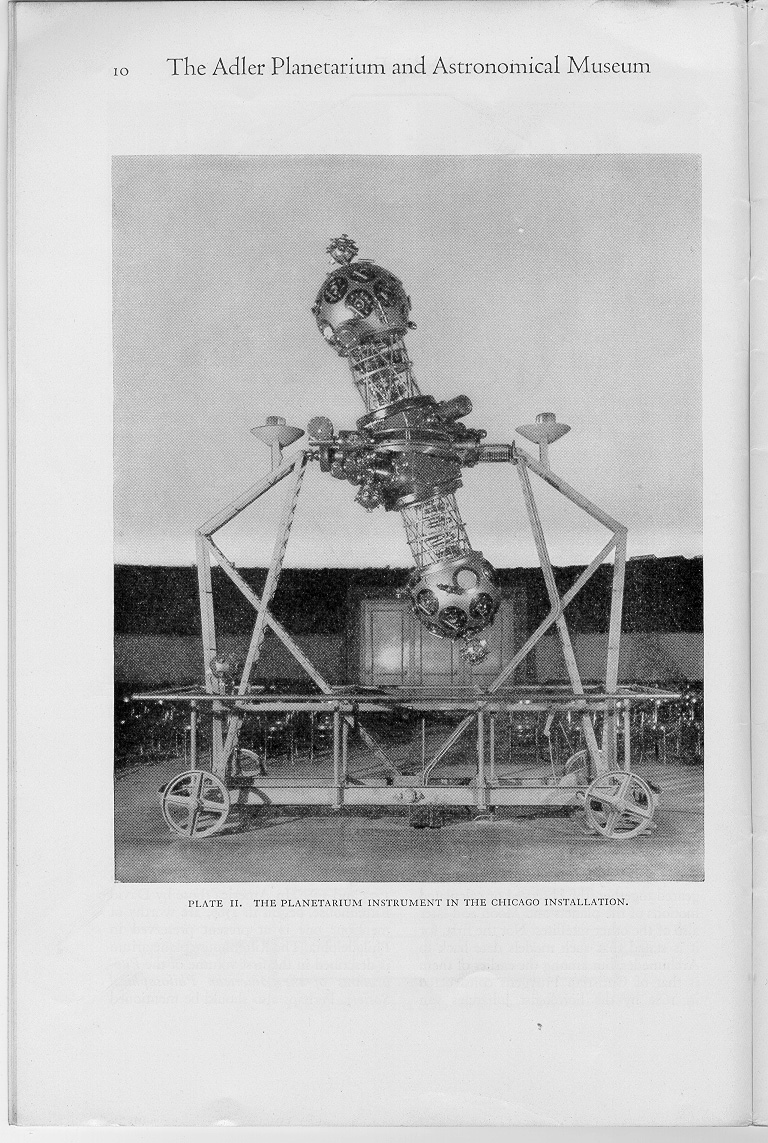
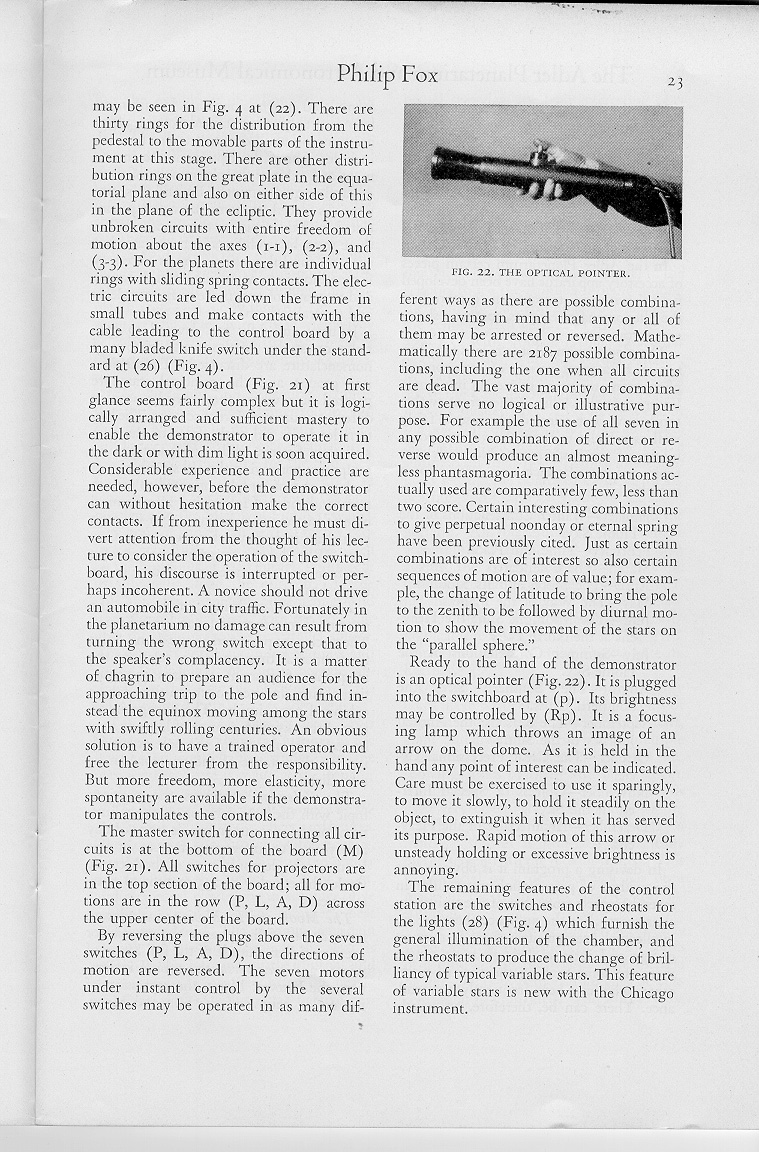
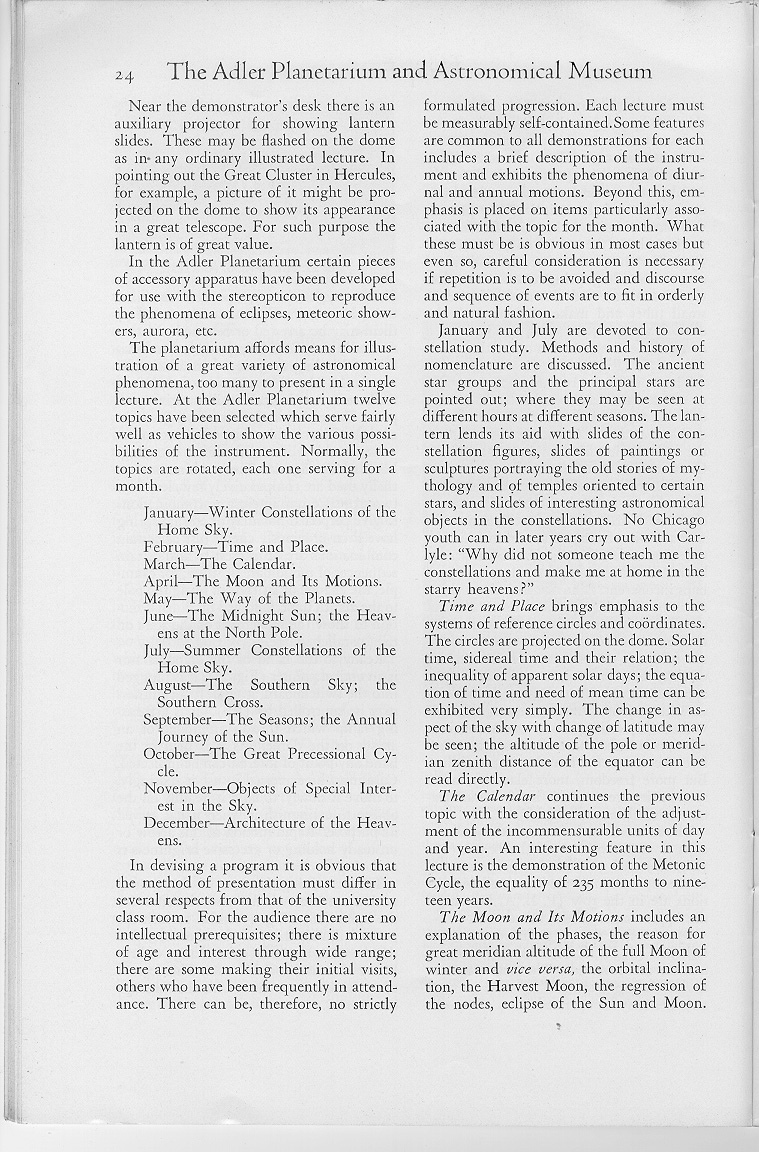
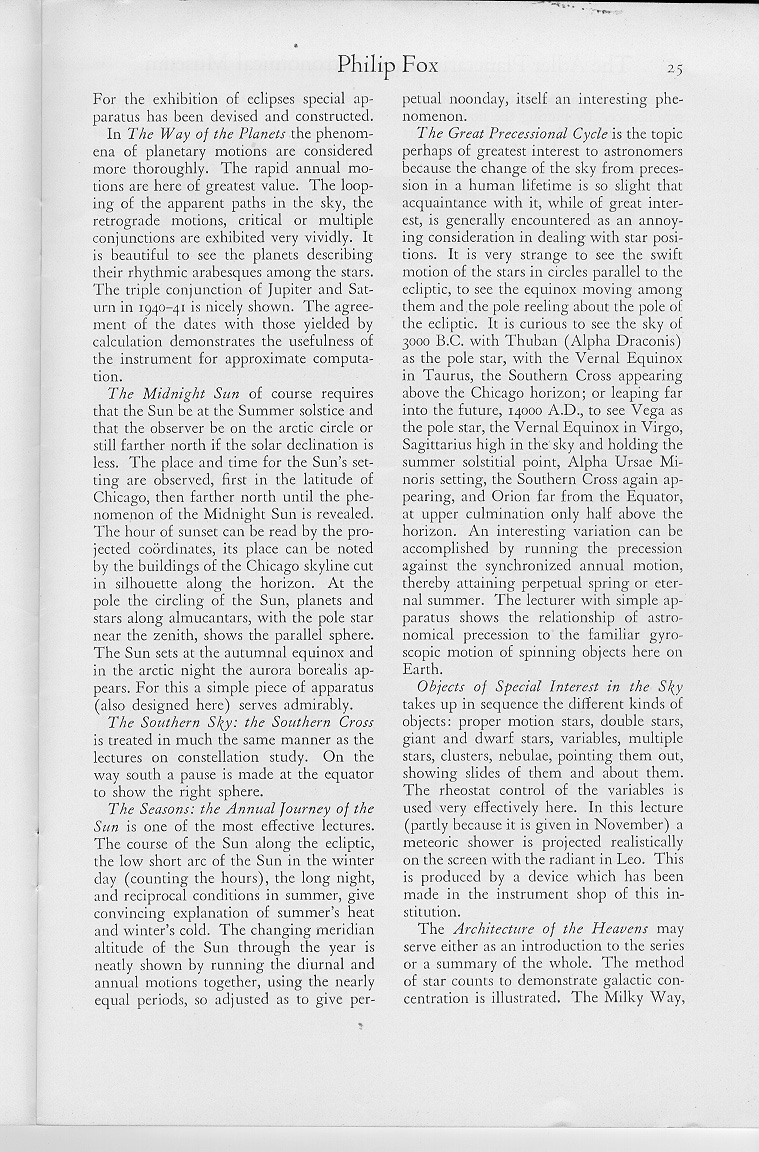
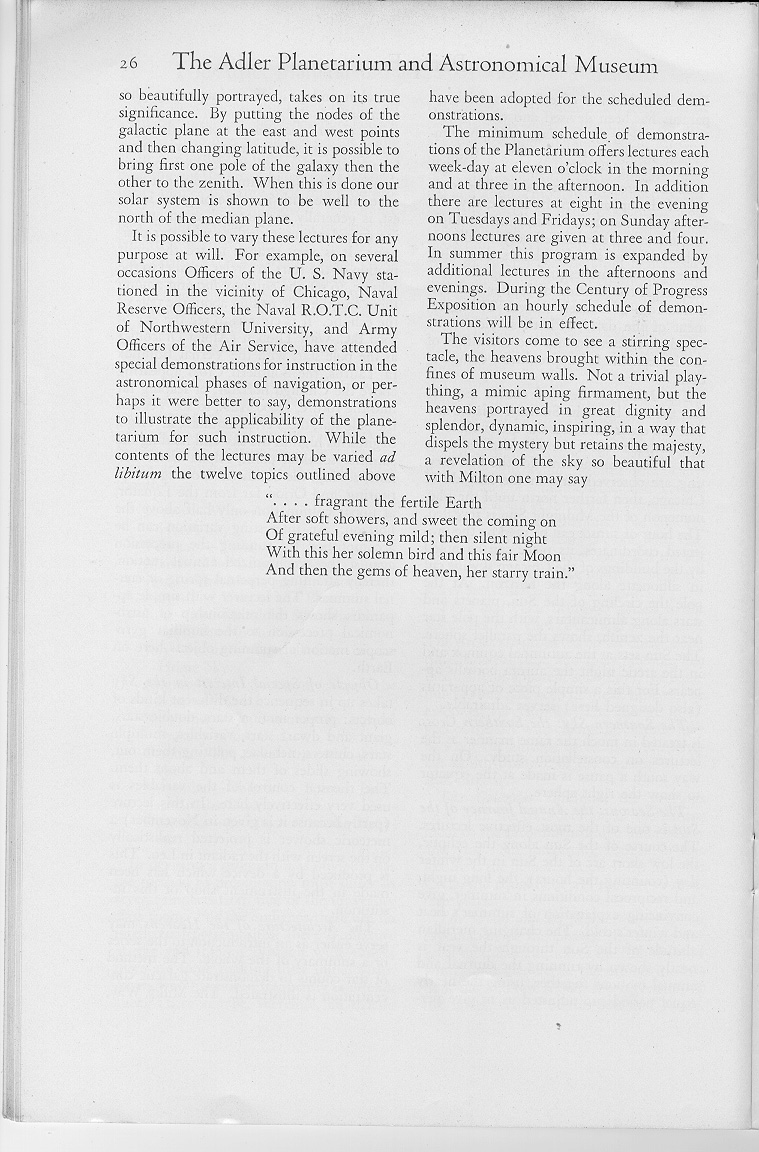
Photograph of the Zeiss II Planetarium Projector at the Adler Planetarium and Astronomy Museum,
Chicago: 1930
Photograph of the Zeiss II Planetarium Projector at the Fels Planetarium, Franklin
Institute, Philadelphia: 1947 July
Other Planetarium History Links
"The People's Observatory" -
Buhl's Astronomical Observatory
"Friends of the Zeiss" Internet Web Site
"Save the Buhl" Internet Web Site and their
Zeiss II Projector Page
Henry Buhl, Jr.
Planetarium and Observatory at
The Carnegie Science Center
See
Telescope, Newtonian Non-usable Replica.
See Astronomy Exhibits - Hallway Wrapping Around Theater of the Stars.
See Astronomy Exhibits - Astronomical Observatory Transparencies.
This Internet Web Page: <
https://buhlplanetarium3.tripod.com/BuhlZeissII.htm >
Internet Web Cover Page: <
http://www.planetarium.cc >
Electronic Mail: <
ZeissII@planetarium.cc >
Internet Web Site Master Index for
the History of
The Buhl Planetarium and Institute of Popular Science,
Pittsburgh
Disclaimer Statement: This Internet Web page is not affiliated with
the
Henry Buhl, Jr.
Planetarium and Observatory,
The
Carnegie Science
Center, or The
Carnegie Museums of Pittsburgh/Carnegie Institute.
This Internet, World Wide Web Site administered by Glenn A.
Walsh.
Unless otherwise indicated, all web pages in this account are --
© Copyright
1999 to 2023, Glenn A. Walsh, All Rights Reserved.
Additions and corrections to:
ZeissII@planetarium.cc
Last modified : Wednesday, 24-Jan-2024 03:20:01 EST.
You are visitor number  , to this web page,
since Tuesday Morning, 2023 August 1.
, to this web page,
since Tuesday Morning, 2023 August 1.